
Addictive casual mobile games that lead in downloads
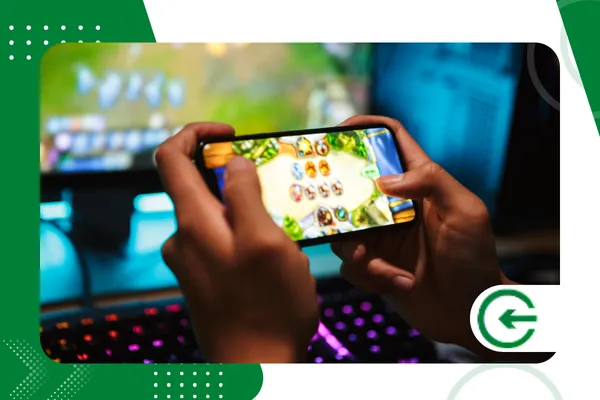
The relentless pursuit of micro-entertainment has transformed... addictive casual mobile games in the invisible engine of the app economy.
Adverts
While traditional consoles demand rituals of attention, the smartphone only charges for the waiting time in an elevator.
This direct dynamic, far from being superficial, has repositioned the casual format as the absolute king in global downloads on virtual stores.
This dominance reveals an unsettling behavioral shift: the cell phone has become our universal escape valve against boredom.
Development giants dissect engagement data to design gameplay loops that capture our attention for hours.
advertising
Deciphering this ecosystem is, fundamentally, about understanding how technology shapes our patience and our focus.
The billion-dollar app market hides fascinating strategies beneath a layer of vibrant colors and festive sounds.
Examining the inner workings of this phenomenon reveals the monetization mechanisms, the psychology of rewards, and the titles that dictate the rules of the game.
Follow the journey through the structured topics below to understand the anatomy of this resounding success.
Summary
- Why do addictive casual mobile games dominate the current market?
- What psychological mechanics make these titles so appealing to audiences?
- What are the most downloaded addictive casual mobile games in 2026?
- How do companies monetize free apps without scaring away players?
- What is the future of less complex games with artificial intelligence?
- Frequently Asked Questions (FAQ)
Why do addictive casual mobile games dominate the current market?
Accessibility has broken down old barriers to entry and put video games in the pockets of billions of people.
Modest devices today run perfectly optimized software, eliminating the need for expensive hardware dedicated exclusively to leisure.
This forced democratization pushed the addictive casual mobile games to the absolute top of global consumer rankings.
Data consolidated by the market intelligence platform. Sensor Tower They confirm that the casual segment swallows up the competition annually.
There's something telling about this: people use this software to numb the fatigue of daily urban commutes.
The absence of complex rules or lengthy tutorials encourages the user to start the game without any intellectual friction.
There is also a brilliant technical merit in the engineering of these applications, often overlooked by traditional analysts.
The developers create extremely lightweight code that runs smoothly on both premium devices and basic models.
This flexibility expands the potential customer base to astronomical levels, generating an overwhelming volume of daily installations.
What psychological mechanics make these titles so appealing to audiences?
Modern interaction design cannot survive without the fundamental concepts of behavioral psychology and neuroscience.
The creators designed immediate reward cycles specifically engineered to trigger dopamine surges in the brain every few seconds.
Completing a level acts as a kind of micro-compliment, massaging the ego of the player after a difficult day.
The learning curves in these addictive casual mobile games They are calibrated with near-surgical precision.
The challenge grows imperceptibly, keeping the player trapped in an active comfort zone, far from boredom and frustration.
Limited lives and time windows create an artificial sense of urgency that makes us reopen the app repeatedly.
The synesthesia generated by the sound and visual effects binds this experience with hypnotic force in the user's mind.
Saturated colors and celebratory pops transform mundane movements on screen into moments of pure tactile and visual satisfaction.
This alchemy transforms an unassuming pastime into an automated habit that consumes precious hours of one's routine.
+ How games with live events increase engagement.
What are the most downloaded addictive casual mobile games in 2026?
The current competitive landscape displays a curious coexistence between resilient commercial dinosaurs and newcomers that blend genres.
Games focused on geometric puzzles, endless runners, and light social simulation continue to break historical audience retention records.
Seasonal updates act like oxygen, renewing the interest of entire communities from time to time.
Looking at market reports, it's clear that the secret to lasting success lies in zero friction combined with aesthetic appeal.
Established franchises have simplified their operations to appeal to a mass audience that rejects complexity but demands visual flair.
+ How mobile multiplayer games are changing online fun
| Game Name | Main Category | Estimated Download Volume (Annual) | Main Retention Mechanics |
| Subway Surfers | Runner / Arcade | Over 250 Million | Daily Challenges and Season Passes |
| candy Crush Saga | Match-3 / Puzzle | +180 Million | Infinite Levels and Cooperative Events |
| Block Blast! | Block Puzzle | +150 Million | Personal Records and Quick Matches |
| Royal Match | Match-3 / Decoration | +140 Million | Scenario Progression without Forced Ads |
| Monopoly GO! | Social Board | +120 Million | Competition between Friends and Serves |
How do companies monetize free apps without scaring away players?

Distributing software for free seems like financial madness, but the model... freemium It proved to be the biggest goldmine of the modern internet.
Removing the download price eliminates initial distrust and opens the doors to a huge mass of experimenters.
The master trick of the major distributors is to charge for convenience, never for basic access.
Currently, the addictive casual mobile games They refined the use of award-winning ads, transforming advertising into an acceptable favor.
The user willingly watches a thirty-second commercial to earn a second chance in the game.
This format reduces complaints about intrusive interruptions and maintains an organic flow of gameplay.
Microtransactions aggressively focus on aesthetic appeal and shortening difficult paths through virtual currencies.
More competitive players spend small amounts, almost imperceptible in their budget, to skip challenging levels or customize their avatars.
This small-scale fundraising finances robust updates and sustains digital ecosystems that generate billions in revenue without selling a single physical copy.
+ Virtual party apps and interactive live streams
What is the future of less complex games with artificial intelligence?
Generative artificial intelligence has gone from being a futuristic promise to becoming the main driver in digital production lines.
Automated systems now shape unique phases in real time, reading the behavior and stress level of the person holding the device.
This flexible calibration prevents the consumer from abandoning the app because they find the challenge unfair or too silly.
The next steps for this industry point towards an aggressive fusion between casual interactions, voice assistants, and overlapping realities.
The focus has shifted from mere isolated distraction to building micro-communities connected by fast-paced competitive mechanics.
This environment of addictive casual mobile games It has proven its resilience and will continue to dictate how we consume media on portable screens.
The expansion of zero-latency mobile networks will enable immediate, seamless group play, without lag or lengthy loading screens.
Mobile entertainment is heading towards a hyper-personalized scenario, where each application behaves uniquely for every user on the planet.
For those who wish to follow the macroeconomic developments in this sector, the portal's periodic reports are available. Statista They provide indispensable statistical insights.
Conclusion
The dominance of casual titles in online stores is the logical result of a design obsessed with eliminating barriers to psychological friction.
These products have reshaped our relationship with leisure, filling the voids of everyday life with quick, colorful, and rewarding stimuli.
The perfect combination of technical simplicity and mental triggers ensures that this market remains highly profitable for a long time.
As technology advances, these hobbies are likely to blend even more deeply into our social interactions and digital routines.
Companies that know how to balance intelligent monetization with respect for the user's time will continue to lead the rankings.
In the mobile ecosystem, the ability to generate instant joy in just a few seconds remains the greatest commercial asset.
Frequently Asked Questions (FAQ)
What formally characterizes a game as casual in the mobile environment?
Casual games feature easy rules, intuitive controls that require only one finger, and gaming sessions that last just a few minutes.
They are specifically designed for those who want instant entertainment without having to read complex manuals.
Why do these apps manage to register so many downloads compared to complex games?
The combination of being free and technically lightweight allows virtually any mobile phone on the market to run the application without crashing. This democratic reach attracts a huge audience, ranging from children to the elderly, inflating the numbers.
Is it safe to make in-app purchases within these free-to-play games?
Yes, as long as the user uses official app stores, such as the Google Play Store or the Apple App Store, to download the titles.
These environments have robust layers of financial protection and encryption that safeguard banking transactions.
Can casual games help exercise the brain in everyday life?
Games based on logical reasoning, block organization, and puzzles stimulate important cognitive functions, such as quick decision-making.
However, balance is essential to prevent the hobby from turning into a compulsive distraction.
How can we prevent children from spending real money on these casual apps?
Simply configure the native parental control tools of your iOS or Android device's operating system.
Enabling password or biometric authentication requirements for any purchase prevents accidental or unauthorized spending.
