
Smart air quality monitors are gaining ground.
You smart air quality monitors They've gone from being futuristic accessories to a silent necessity in our homes.
Adverts
It's curious to think that we spend most of the day indoors without having any idea what we're actually breathing.
This technology is gaining traction precisely because it transforms an invisible danger into concrete data. The search for a healthier home finds a practical answer in these sensors, guiding decisions that go far beyond simply opening a window.
Summary
- How do air monitors identify invisible pollutants?
- What are the main benefits of monitoring air quality at home?
- Which smart monitor model should I choose for each environment?
- Real data on indoor air pollution.
- How can I integrate monitors into my health routine?
- Frequently Asked Questions (FAQ)
How do air monitors identify invisible pollutants?
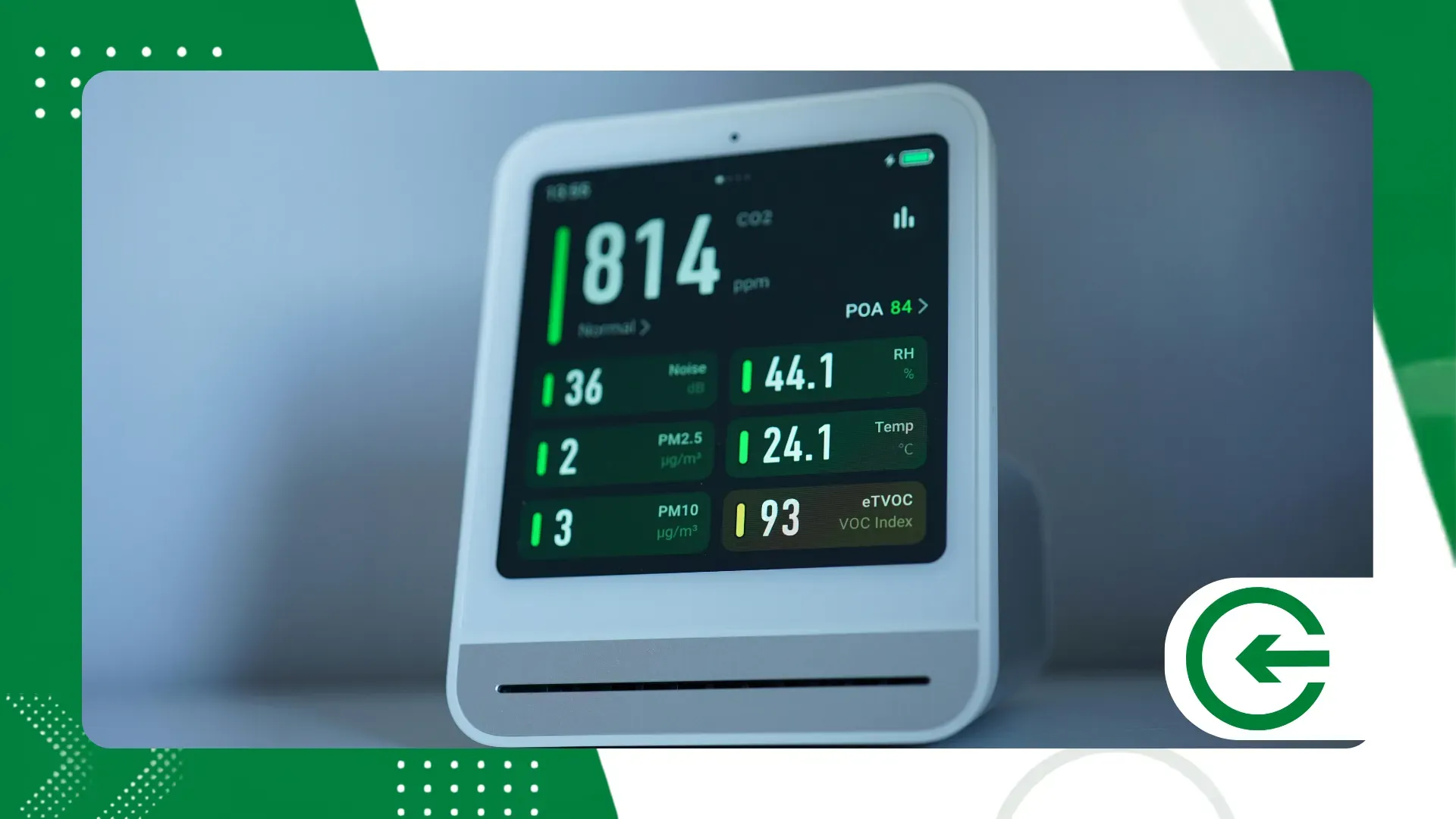
The mechanics behind these devices combine optical and electrochemical sensors calibrated to see what our eyes can't see. They map everything from the accumulation of carbon dioxide to the presence of formaldehyde released by new furniture.
When connected to home automation, the smart air quality monitors They take control of the home's atmosphere, activating purifiers the moment the levels go outside the comfort zone.
advertising
Sending alerts to your cell phone breaks the passivity with which we deal with our environment. Instead of waiting for a sneezing fit to act, you receive the warning before the discomfort sets in.
Which smart monitor model should I choose for each environment?
Choosing the right equipment requires considering the household routine, the size of the room, and the type of pollution most likely in each area. A bedroom requires different metrics than a kitchen.
To calibrate your expectations regarding the indices, it is worth consulting the updated official guidelines of... World Health Organization, which detail the human body's tolerance to each external agent.
Models focused on volatile organic compounds (VOCs) are often the best choice for newly renovated areas or areas with constant use of chemicals. These smart air quality monitors They provide an accurate reading of the risk.
What are the main benefits of monitoring air quality at home?
Indoor air quality directly impacts our sleep patterns and our ability to concentrate throughout the day. Unexplained fatigue at the end of the day is often simply due to excess CO2 in the office.
The constant use of smart air quality monitors It helps to anticipate the appearance of mold and the proliferation of dust mites. There is something liberating about taking preventative control of one's own space.
There is also an indirect financial gain in preventing purifiers and air conditioners from running continuously. The devices only operate when a technical reading indicates a real need for intervention.
++ How to activate earthquake alerts on your cell phone in Brazil
Real data on indoor air pollution.
The air trapped inside a home can be up to five times more polluted than the air outside, a fact that is often overlooked. The following table shows the parameters that these devices monitor daily.
| Atmospheric Indicator | Primary Source in the Internal Environment | Recommended Limit for Health |
| Particulate Matter (PM2.5) | Dust, cooking smoke, candles | Annual average below 5 µg/m³ |
| Carbon dioxide (CO2) | Human respiration in enclosed spaces | Below 1,000 ppm for good focus. |
| Organic Compounds (VOCs) | Paints, cleaning products, furniture | Below 0.5 mg/m³ to avoid symptoms. |
| Relative Humidity | Steam from the shower, outside climate | Ideal range between 40% and 60% |
Understanding these numbers prevents overreactions and allows for targeted adjustments to home ventilation. It's about replacing guesswork with clear metrics for preventative health.
++ How to use Wi-Fi smart plugs to save energy
What are the signs that indoor air quality is poor?
The most common signs include frequent headaches with no apparent cause, feeling excessively tired throughout the day, and constant irritation in the eyes, nose, or throat.
When the air becomes saturated with carbon dioxide or dust, the body reacts immediately with this subtle discomfort.
Another clear indication is the presence of persistent odors that don't seem to disappear even after cleaning the area.
The appearance of mold spots on the walls and excessive moisture on the window panes also indicate that the ventilation of the space is seriously compromised.
If you notice that your allergy symptoms improve significantly as soon as you leave your house or office, the problem is probably in the indoor environment.
Monitoring these bodily signals is the first step in correcting air circulation in the area.
++ Advantages of regularly reviewing the apps installed on your phone.
How can I integrate monitors into my health routine?

The secret is in the positioning: place the monitor at chest height, away from direct drafts or windows. Otherwise, the device will read the air from outside, not the air in the room.
The magic happens when you create smart routines in your home ecosystem, making the smart air quality monitors They can communicate directly with exhaust fans and filters without you having to lift a finger.
Tracking historical measurements reveals unseen patterns, such as the peak of dust on cleaning days or the drop in oxygen levels at night. This data becomes a transformative habit.
Taking care of the air around us is one of the most direct forms of silent self-care in modern life. To understand public policies and the broader environmental impact, it's worth following the portal of... Ministry of Environment and Climate Change.
Frequently Asked Questions (FAQ)
Do air quality monitors replace air purifiers?
No. The monitor acts as a diagnostic tool, identifying dirt in the air, while the purifier is the treatment that removes the impurities.
Where should I install the air monitor in my home?
Ideally, position it at mid-height in the rooms where you spend the most time, such as next to your bed or on your work desk.
How do smart monitors help people with allergies?
They warn of invisible increases in dust and sudden changes in humidity, allowing you to clean or filter the environment before symptoms appear.
