
How to use smart climate control in a connected home
The promise of adjusting the house temperature without leaving the sofa has become commonplace.
Adverts
However, the real leap of smart climate control This emerges when we move beyond simply using a remote control app to build a structure capable of anticipating the thermal behavior of the environment, invisibly reducing energy waste in our daily lives.
In practice, this means orchestrating thermostats, presence sensors, and inverter air conditioners under the same logic.
When this mechanism works smoothly, the house stops passively responding to heat spikes and begins to manage its own energy efficiency, balancing the temperature of each room without requiring constant attention.
Understanding this dynamic is the first step to avoid wasting money on superficial automation. Throughout this guide, we cover everything from choosing communication protocols to creating predictive routines, showing you how to extract real performance from your air conditioning devices.
advertising
Summary
- What is smart climate control and how does it work in practice?
- What are the main benefits of automating the climate control in your home?
- How do you choose the ideal thermostat or controller for your ecosystem?
- What equipment can be integrated into a home's air conditioning system?
- How to set up smart routines and automations to save energy?
- What is the real impact of using smart climate control on electricity consumption?
- How to integrate temperature control with voice assistants and geofencing?
- Conclusion
- Frequently Asked Questions (FAQ)
What is smart climate control and how does it work in practice?
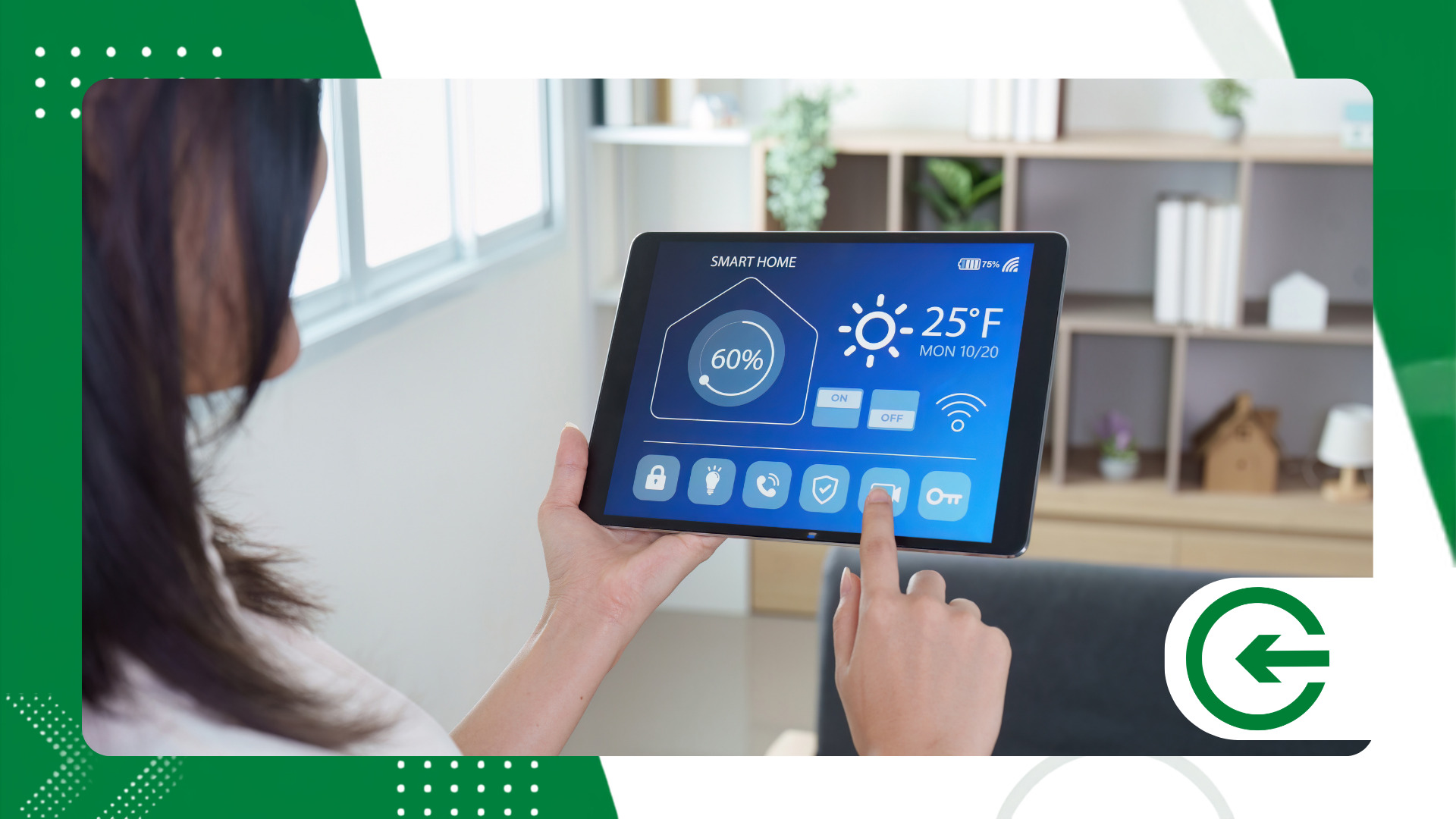
Far from being just a pretty app for changing the temperature remotely, the modern climate control ecosystem is based on the constant reading of data.
Networks of sensors spread throughout the environments cross-reference data on humidity, solar incidence, and presence, communicating via protocols such as Zigbee, Matter, or Wi-Fi to make decisions in real time.
The bottleneck in many projects lies in the belief that simply buying a new device is enough.
If the automation architecture fails to interpret the heat gain of a west-facing room in the late afternoon, the air conditioner will continue operating at maximum speed, repeating the same flaws as analog devices.
There's something almost ironic about spending thousands of reais on hardware only to continue adjusting the degree of power on your arm.
Integrate the smart climate control This requires linking that intelligence to central hubs. Older devices come to life with smart infrared emitters, while newer models go directly into the local network, allowing for fine-tuned regulation via automated scenarios or well-structured voice commands.
What are the main benefits of automating the climate control in your home?
The great advantage lies not in the luxury of turning on the air conditioning before arriving home, but in the systematic elimination of energy inefficiency. Traditional systems operate on an "all or nothing" basis, while automated networks modulate compressor usage according to the actual occupancy of the space and climatic variations throughout the day.
From a thermal comfort standpoint, the difference is stark. The environment no longer oscillates between freezing and stifling temperatures; instead, the system establishes stable temperature levels that follow the circadian rhythm of the house—cooling the bedroom at bedtime and stabilizing the living room during work hours.
Less remembered, but crucial, is the preservation of the equipment. By avoiding abrupt starts and unnecessary compressor cycles, you reduce mechanical wear and postpone corrective maintenance for years.
The savings go beyond just the electricity bill: it protects the assets invested in the home.
How do you choose the ideal thermostat or controller for your ecosystem?
The most common mistake here is buying based on aesthetic appeal without checking the electrical architecture of the house.
Wall thermostats that are popular in foreign forums often require dedicated wiring for central heating — something rare in Brazilian construction standards, where split systems reign supreme and require infrared hubs or specific gateways.
The choice of protocol also dictates the stability of the system. Universal standards like Matter ensure that your smart climate control Continue communicating freely with platforms from Apple, Google, Amazon, or Samsung, without being held hostage by a single proprietary application or discontinued firmware updates.
Demand more from the controller than just colorful screens. Truly useful features include historical consumption graphs, support for remote sensors, and algorithms capable of calculating the thermal inertia of the environment—that is, understanding how long it takes for the room to cool down before the compressor shuts off prematurely.
What equipment can be integrated into a home's air conditioning system?
Split and multi-split air conditioning units are the backbone of almost every project, but treating them as isolated components is a mistake. Absolute temperature control depends on balancing secondary variables such as humidity, air circulation, and natural light.
Integrated humidifiers and purifiers prevent cold air from drying out the airways overnight.
By pairing a dehumidifier with a precision sensor, the system can maintain relative humidity within the ideal range without needing to switch to heavy cooling simply to remove weight from the air.
Finally, motorized curtains and blinds act as passive heat shields. Closing them automatically during peak sunlight hours blocks heat before it passes through the glass, drastically reducing the strain and electricity consumption of installed compressors.
To delve deeper into the mechanics and technical data of efficiency in modern buildings, it is worth analyzing the research of... National Laboratory for Renewable Energies (NREL) , a global leader in innovation and energy transition for sustainable architecture.
How to set up smart routines and automations to save energy?
Build the foundation of automation by cross-referencing presence data with geographic location. The primary rule is simple: the last resident leaves the virtual fence of the house, the system shuts down or enters eco mode immediately.
It seems obvious, but this single routine cuts up to a third of the hidden costs of air conditioning in busy homes.
At bedtime, program gentle temperature curves instead of maintaining a fixed temperature all night.
Human metabolism slows down the rate of calorie burning during the deepest stages of sleep, allowing the temperature to rise one or two degrees in the early morning without causing discomfort—and without straining the compressor at a time when energy rates typically fluctuate.
Another indispensable automation feature involves locking the system if doors or windows are left open. Install magnetic sensors on the window frames: if the balcony is left open for more than two minutes, the living room air conditioner will automatically shut off, interrupting the pointless cycle of trying to cool the outside environment.
The consistent application of these strategies smart climate control It transforms household management into a fluid routine, combining thermal comfort with financial discipline in the family budget.
++ Is it worth replacing your old router? See the benefits.
What is the real impact of using smart climate control on electricity consumption?
The promise of savings in advertisements is often inflated, but the numbers obtained from real residential audits show consistent reductions.
The secret lies not in the magic of the equipment, but in eliminating the human factor — the hesitation to turn off appliances when leaving or the habit of running the air conditioner at the lowest possible temperature thinking that this will cool the room faster.
Below, we have compiled efficiency measurements observed in homes with automation systems of varying levels:
| Technology / Strategy Used | Average Reduction in Electricity Consumption | Impact on Thermal Comfort | Main Factors of Economics |
| Smart Thermostat with Programmable Control | 10% to 12% in heating / 15% in cooling | High | Elimination of operation during idle hours. |
| Presence Sensors and Geofencing | 18% to 22% in total HVAC consumption | Very High | Automatic shut-off when leaving the residence. |
| Integration with Active Shading (Blinds) | 25% to 30% during peak summer periods. | Maximum | Blocking solar radiation before heat gain. |
| Traditional Control Without Automation (Base) | 0% (Reference Point) | Variable | It depends entirely on manual adjustments. |
Data analysis clearly shows that significant gains occur when passive architecture (blinds and solar blinds) works in harmony with active automation.
Interrupting the inflow of solar radiation reduces the strain on the inverter system, ensuring lower energy consumption with minimal user intervention.
++ 7 advantages of having more storage space on your smartphone.
How to integrate temperature control with voice assistants and geofencing?
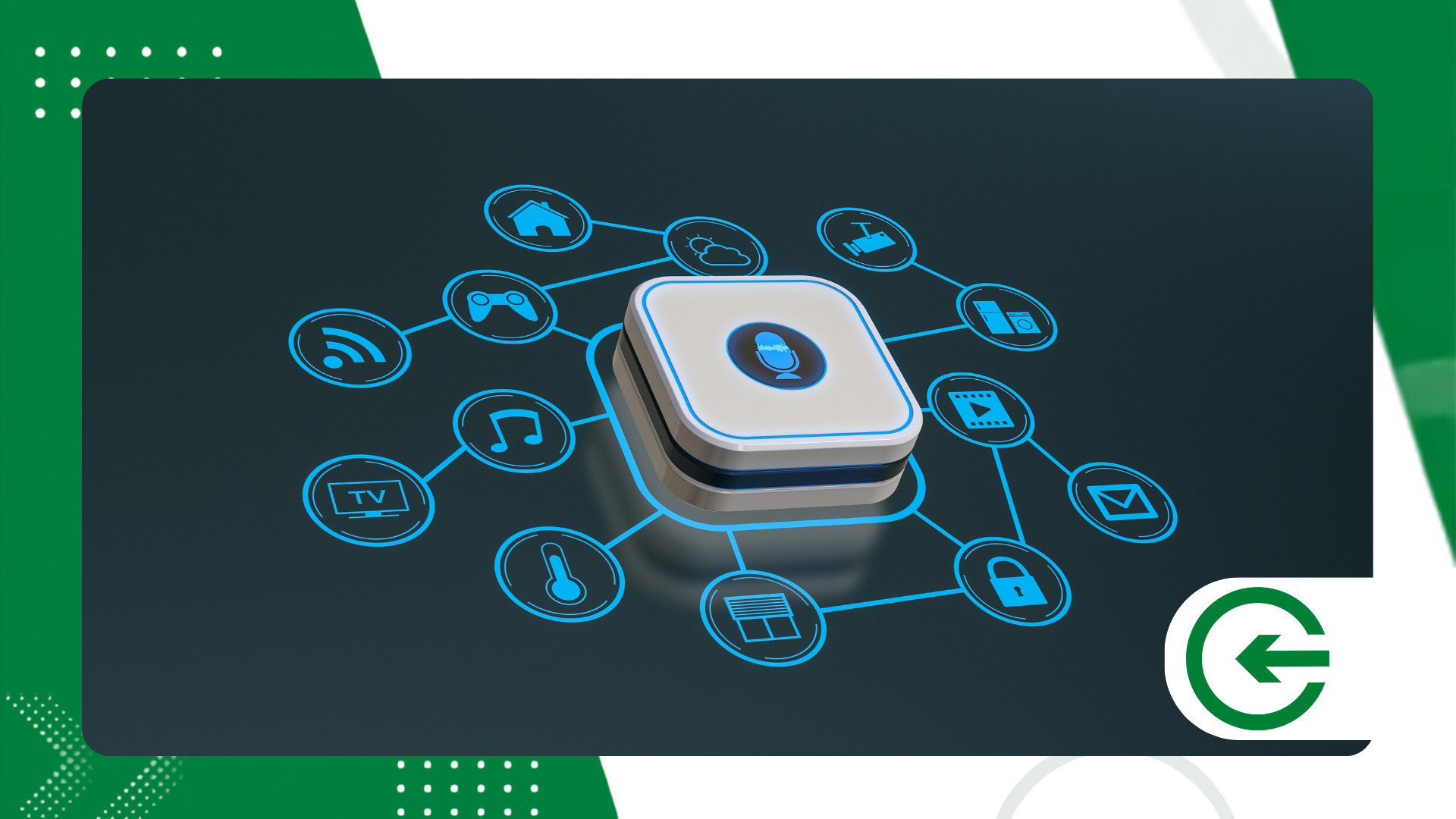
Integrating climate control with virtual assistants — such as Google Assistant, Alexa, or Siri — goes beyond the convenience of talking to the ceiling.
This bridge allows the ecosystem to be unified under a single control panel, freeing up temperature and humidity metrics to trigger complex routines involving lighting and security simultaneously.
Geofencing technology adds a layer of autonomy without requiring you to open any apps.
By mapping the perimeter of your neighborhood using your cell phone's GPS, the system interprets your approach at the end of the day and pre-conditions the house, delivering the ideal temperature the second you open the front door.
Try grouping multiple devices into themed scenarios. A command like "Cinema Mode" can close blackout curtains, dim the room lights, and adjust the... smart climate control For a quiet and pleasant rotation, all in a single coordinated transition.
Automating home climate control has gone from being a mere technological whim to a rational decision in household management.
It's about putting technology to work behind the scenes, building a space that responds to your needs efficiently and intelligently.
++ How smart home locks increase security.
Conclusion
Implementing a connected climate control ecosystem is the most direct way to align energy efficiency with a higher level of comfort.
When sensors, controllers, and predictive routines work cohesively, the house begins to manage its own thermal flows, reducing costs without requiring you to constantly check apps.
The return on this investment is evident in reduced energy bills and extended equipment lifespan.
By delegating environmental monitoring to algorithms, you eliminate invisible operational waste and create a genuinely sustainable home environment.
To understand the technical standards and evolution of connectivity in home automation, it's worth following the work being done by... Connectivity Standards Alliance (CSA), a consortium responsible for maintaining the Matter protocol and global guidelines for the Internet of Things.
Frequently Asked Questions (FAQ)
1. Can I transform an old air conditioner into a smart unit?
Yes. Adding a universal infrared hub connected to the Wi-Fi network allows you to clone the commands of a traditional remote control. From then on, the old device responds to automations on your cell phone, presence sensors, and voice assistants as if it were a natively connected model.
2. Does smart climate control work if the home internet goes down?
Most of the local automations programmed in the central hub continue to function without internet access.
However, sending commands remotely from outside the home, real-time weather forecast readings, and integration with voice assistants are temporarily suspended until the connection is restored.
3. What is the difference between a regular thermostat and a smart thermostat?
Traditional models operate solely with mechanical on/off triggers based on a fixed temperature.
Smart versions analyze usage patterns, monitor relative air humidity, use GPS geofencing, and adjust device power to optimize energy consumption.
4. Is it worth installing temperature sensors in every room?
Yes, especially if the house has areas with different solar orientations.
Multiple sensors prevent the system from making decisions based solely on hallway temperature, allowing it to balance the climate control according to the actual reading of the room you are occupying.
