
Visa 2.0: How to access document information via mobile phone.
Check the data of Seen 2.0 Directly appearing on your smartphone screen has gone from being a mere technological whim to becoming a basic necessity for any international flight.
Adverts
For decades, travelers relied on smudged stamps and labels stuck in their passports, but consular digitization has changed the game—transferring the burden of verification into our pockets.
There's something curious about this transition: while we gain the autonomy to monitor validity and authorizations in real time, we also assume the responsibility of not failing at the crucial moment.
Systems like the Brazilian e-Consular and foreign immigration portals deliver everything ready-made, right to your fingertips, as long as you know exactly where to click.
In this straightforward guide, you'll discover how to navigate official platforms without falling into digital traps, validate security codes, and resolve last-minute crashes. Use the map below to jump directly to the step that solves your problem right now.
advertising
Table of Contents
- What defines digital consular documentation technology today?
- How can I check the status and validity of a document using my smartphone?
- Where can I find the official apps and portals for secure information?
- What information is needed to access migration history?
- How can I verify the authenticity of an electronic record using my cell phone camera?
- Comparison between traditional models and digital consultation systems.
- What to do when the official app shows a reading error or conflicting data?
- Frequently Asked Questions (FAQ) about mobile access to the document.
What defines Visa 2.0 in current consular documentation?
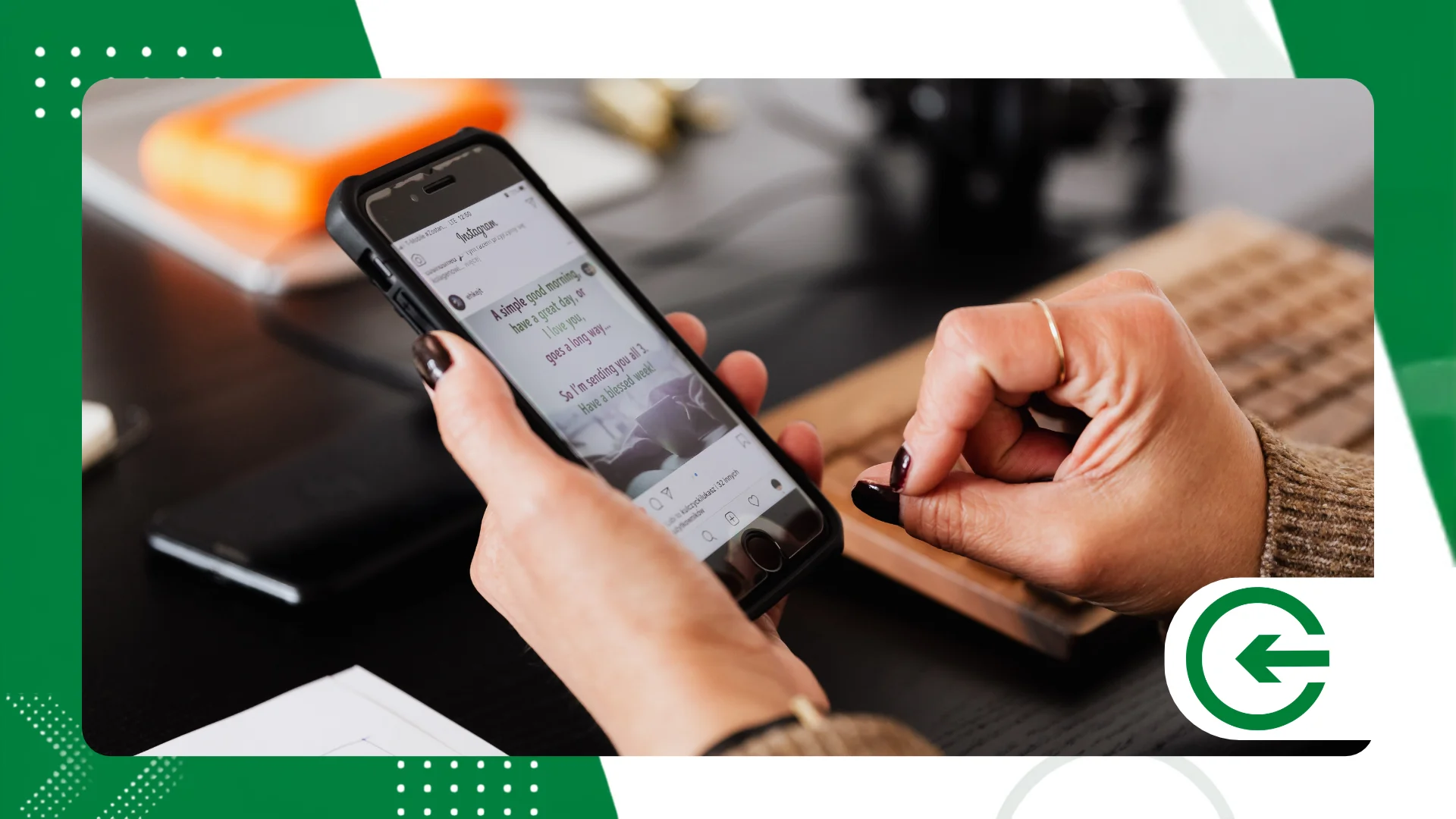
To call this new generation of documents Seen 2.0 This is not marketing hype, but a true reflection of a silent rupture at the borders.
Out go isolated pieces of paper and in come biometric records stitched together with encrypted databases, where your passport communicates directly with immigration officers even before you step onto the plane.
Countries like Brazil, under the leadership of the Ministry of Foreign Affairs, realized that manually stamping documents was no longer sufficient to keep pace with the volume of global air traffic.
This digital shift has transformed the physical counter into an almost routine step, as the border agent already knows who you are milliseconds after reading the chip.
Behind this agility are high-density QR codes and electronic signatures that transform any modern smartphone into a portable diplomatic badge.
Paper has become merely a psychological backup; the real key that opens the electronic gates now resides in consular servers.
How can I check the status and validity of a document using my smartphone?
Checking the status of your authorization requires little more than a decent internet connection and an updated mobile browser, whether on Android or iPhone.
It all starts on the official portal of the issuing government, where the protocol number acts as the master key to unlock the tracking panel.
After validating your login, the screen reveals whether the request is still in the review queue, has already received the green light, or has encountered any requirements.
In the Brazilian environment of Itamaraty Consular PortalThis process takes place within the e-Consular ecosystem, using the same single password you already use on Gov.br.
With approval confirmed, the next step is to download the official PDF — the file that contains the two-dimensional code in the corner of the page.
Saving this document in your device's digital wallet or in an offline folder is a lifesaver for those who face areas without internet signal in airport basements.
- Open your smartphone's browser and access only the official website of the immigration authority responsible for your destination.
- Look for the request tracking or document status verification tab in the main menu of the page.
- Fill in the required fields with the protocol code, your current passport number, and your date of birth without abbreviations.
- Overcome the portal's security barrier, which often alternates between visual captcha challenges and codes sent via SMS or email.
- Examine each line of the authorization displayed on the screen, carefully checking the expiration date, visa category, and entry limit with a magnifying glass.
- Download the final digital file and save a mirrored copy both to your phone's internal memory and to your personal cloud service.
Where can I find the official apps and portals for secure information?
There is an entire ecosystem of fake websites designed to mimic consular offices and ensnare unsuspecting travelers in the rush before boarding.
A golden rule resolves ninety percent of this risk: be wary of any domain that does not carry legitimate government extensions, such as “.gov.br”, “.gov” or “.gc.ca”.
Several nations are now betting on native apps in official app stores to centralize the management of... Seen 2.0 and to speed up customs screening.
Tools like CBP One, adopted by the United States, or the British system ETAThese systems allow passengers to submit their facial biometrics via their mobile phones and track their active status.
Before clicking the download button on Google Play or the App Store, scroll to the bottom of the page and check who is credited with developing the software.
Ignoring sponsored ads at the top of search engines and suspicious links received via messages prevents your passport data from falling into the hands of intermediaries.
What information is needed to access migration history?
Attempting to access consular records on a mobile phone without having the documents nearby often ends in frustration and screens expiring due to inactivity. Government portals use multiple layers of identification to ensure that only the rightful owner can view sensitive inbound and outbound information.
Separate these five essential elements before opening the query tab in your phone's browser:
- Current passport number: That alphanumeric sequence printed at the top of the main identification page, which changes every time you renew your booklet.
- Protocol or application code: The digital receipt is generated the moment you complete submitting the electronic form to the consulate.
- Date of birth and nationality: The primary filters that the database uses to locate your profile among millions of records.
- Gov.br access key or consular login: Your personal credentials, protected by a strong password or biometrics, are essential for authenticating access to integrated systems.
- Email address registered with the application: The inbox where temporary verification codes and official status change alerts are delivered.
A practical tip for those who frequently cross time zones: keep a well-lit photo of the main page of your passport in a password-protected album on your phone.
This saves you from typing incorrect numbers on the tiny keyboard and prevents automatic lockouts due to too many failed attempts.
++ How to check if a website is trustworthy before buying.
How can I verify the authenticity of an electronic record using my cell phone camera?
A technical detail that many people are unaware of regarding Seen 2.0 The fact is that you can audit the integrity of your document yourself using only the device's native camera.
The digital stamps affixed to these files carry cryptographic signatures designed to respond instantly to any modern optical reader.
Simply point your smartphone's lens at the QR code — whether it's on printed paper or a computer screen — and wait for the notification banner to appear.
Clicking on the link opens a mirror page hosted directly on the issuing government's servers, confirming that the certificate has not been tampered with.
In some economic blocs, monitoring uses even more sophisticated protocols, such as... Visible Digital Seal (VDS), endorsed by the International Civil Aviation Organization.
Compatible apps can decode the mathematical signature within the code even in airplane mode, proving the authenticity of the visa in the middle of nowhere.
++ How can I check if a link received via WhatsApp might be dangerous?
Comparison between traditional models and digital consultation systems.
Seeing the old tagging system and the current digital architecture side-by-side helps to understand why airports have changed so much in recent years. The table below summarizes where each model wins or loses in the real-life experience of travelers:
| Analysis Criteria | Traditional Model (Physical Label) | Digital Model (Visa 2.0 / e-Visa) |
| Storage Method | Physically pasted onto one of the passport pages. | Registered in a database and saved as a PDF or in an application. |
| Validity Check | Direct visual reading of the dates printed on the label. | Online verification through official portals or via QR Code. |
| Risk of Loss | Loss of passport requires a new, complete physical issuance. | Data remains saved in the issuer's consular cloud. |
| Data Update | Requires in-person attendance at the consulate or embassy. | Registration updates are done remotely via the web. |
| Conference at the Boarding Area | Manual inspection by airline and immigration agents. | Automated electronic reading integrated into the API/PNR system. |
This technological shift drastically shortened lines at check-in counters and popularized automated immigration gates.
Since airline systems consult the government database before even printing your boarding pass, any misplaced comma can block your trip at the point of origin.
++ How to use Android quick share between devices
What to do when the official app shows a reading error or conflicting data?
Encountering an error screen when consulting the Seen 2.0 The eve of departure brings a chill down the spine that every traveler knows well.
Most of the time, the culprit is simply a temporary instability in the consular servers during nighttime maintenance periods or peak access times.
Before panicking, clear your mobile browser's cache, open an incognito tab, and try loading the page again.
Switching from the airport's public Wi-Fi to your carrier's 4G or 5G network also often unlocks silent blocks imposed by local firewalls.
Now, if the system loads and displays a misspelled letter in your last name or an expired passport number, stop everything and do not proceed to boarding.
Immediately contact the support channel of the issuing consular office to request the correction before the airline denies you boarding the aircraft.
For those who need to check immigration status or have questions about entry and exit rules in the country, the official portal of Federal Police – Immigration
It centralizes direct customer service channels. Resolving these issues calmly before packing your bags is what separates a smooth trip from a huge loss at the counter.
Frequently Asked Questions (FAQ) about mobile access to the document.
Is it mandatory to print the digital document if I already have it saved on my phone?
Although e-readers dominate almost all international terminals, veteran travelers never leave home without a folded A4 sheet of paper in their backpack.
Batteries die at the worst possible time, screens crack, and optical readers fail, making simple paper a cheap and foolproof Plan B.
Can I check my travel authorization using someone else's smartphone?
Yes, without any technical impediment, as long as you have your passwords and passport details written down in a safe place.
Just make sure to enable private browsing mode and close all open sessions to avoid leaving personal traces on other people's devices.
What happens if I renew my passport while the digital record is still valid?
This is often misinterpreted by many people: the electronic visa doesn't magically migrate to the new booklet on its own.
In most destinations, you will need to carry both passports with you on your trip or request an electronic transfer of the link through the consular portal.
Is there any additional cost for the traveler to book through the official app?
Zero. No government charges you any fees to view your order status, download the issued PDF, or scan the validation QR code.
If any website asks for your credit card information at this stage, close the tab immediately because you've just stumbled upon a scam.
How far in advance of my trip should I check my registration status on my mobile phone?
Ideally, this complete audit should be done at least seventy-two hours before heading to the airport.
This three-day window offers real breathing room to work around system outages, correct registration typos, or re-download corrupted files.
Follow the Seen 2.0 Using his cell phone, he returned to the traveler a remote control that had previously been locked inside the consular drawers.
When you master the official channels, keep your backups offline, and check every piece of information before leaving home, technology ceases to be a bureaucratic obstacle and begins to work silently in favor of your itinerary.
