
Apps that help you remember to take your medication at the right time.
You Apps that help you remember to take your medication. They have transformed the management of daily health, bringing precision and autonomy to those undergoing continuous or one-off treatments.
Adverts
Maintaining discipline with medication schedules is a constant challenge in daily life. Technology emerges to fill this attention gap, optimizing personal care.
In this guide, we explore how digital solutions ensure greater therapeutic adherence, presenting tested tools, health data, and best practices for your well-being.
Summary
- Why does using apps that help you remember to take medication improve your health?
- What are the best apps to help you remember to take your medication in 2026?
- How does technology help with adherence to medical treatment?
- What is the impact of forgetting doses on the body?
- Comparison: Features of the main mobile tools
- Frequently Asked Questions (FAQ)
- Conclusion
Why does using apps that help you remember to take medication improve your health?
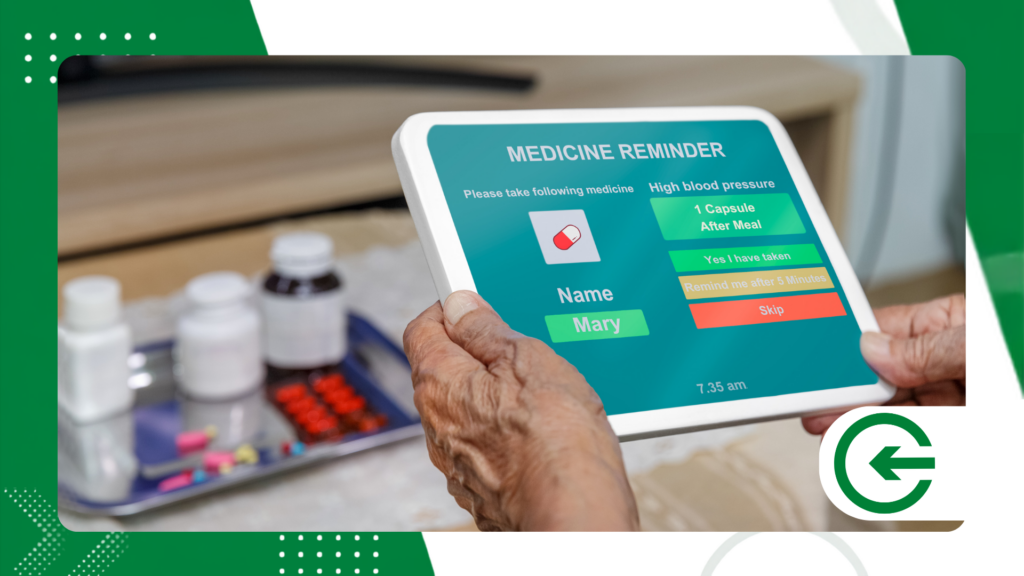
Lack of adherence to medical prescriptions is a silent bottleneck in preventive care. Interestingly, the blame is often placed on lack of time, but the real culprit is daily cognitive overload.
When you use Apps that help you remember to take your medication.It transfers this mental responsibility to the system, ensuring the necessary stability of the active ingredients in your bloodstream.
advertising
Punctuality reduces the risk of dangerous interactions and avoids severe complications in chronic conditions such as hypertension and diabetes. It's about creating biological consistency without conscious effort.
What are the best apps to help you remember to take your medication in 2026?
Medisafe
With a straightforward interface, Medisafe goes beyond simple alarms. It allows you to register dependents, generate PDF reports, and notify caregivers if a dose is missed for too long.
MyTherapy
MyTherapy takes a more holistic approach. It combines treatment alerts with daily symptom tracking, glucose levels, and blood pressure measurements within the same ecosystem.
Dosecast
For frequent travelers, Dosecast is a lifesaver. It automatically adjusts notification times according to time zone changes, preventing overdoses or accidental gaps.
Apple Health and Google Fit
Native ecosystems have evolved considerably. They record the shape of pills, issue discreet alerts on watches, and check for potential chemical conflicts between registered medications.
How does technology help with adherence to medical treatment?
Mobile systems directly influence human behavior. They combine subtle alerts with visual cues, transforming a tedious task into a nearly automatic and seamless routine.
By outsourcing memory to the smartphone, the Apps that help you remember to take your medication. They reduce the ongoing anxiety of "did I take my eight o'clock pill?".
Studies indexed by World Health Organization (WHO) Studies confirm that direct digital reminders significantly increase the continuity of long-term treatments.
Automation offers immediate clarity. A quick glance at the screen confirms whether the medication has been taken, eliminating room for doubt or accidental duplicate doses.
What is the impact of forgetting doses on the body?
Skipping steps in antibiotic treatments, for example, is a dangerous shortcut. Irregular medication selects for more resistant bacterial strains, complicating simple health conditions.
Even with continuous therapies, dosage fluctuations cause blood pressure spikes or glycemic surges. The body pays a high price for this oscillation from the ideal therapeutic level.
Integrate Apps that help you remember to take your medication. In everyday use, this volatility is neutralized, allowing the substance to act within the time window precisely planned by pharmacology.
Consistency is the invisible ingredient that enables clinical effectiveness. Without it, even the best medical prescription loses its necessary power in the body.
++ How to find out which apps use your location.
Comparison: Features of the main mobile tools
Mapping the market makes it easier to identify which solution fits your profile without requiring complex adaptations or wasting time on initial setup.
++ How to use guest mode on Android to protect data.
| Application | Main Focus | Sending Alerts to Caregivers | Symptom Monitoring | Platforms |
| Medisafe | Family management and routine | Yes | Yes | Android / iOS |
| MyTherapy | Health and symptom diary | Yes | Yes | Android / iOS |
| Dosecast | Flexibility and travel | No (free version) | No | Android / iOS |
| Apple Health | Integration with the ecosystem | Yes | Yes | iOS |
How is AI personalizing medication alarms in 2026?
The arrival of predictive algorithms in digital health has changed the way we interact with daily reminders on our cell phones.
Instead of simply triggering a static alarm at the same time, the new apps analyze sleep patterns, physical activity levels, and even the user's schedule to suggest the ideal window for taking the dose.
This adaptive intelligence avoids annoying interruptions during meetings or rest periods, significantly increasing treatment adherence rates without causing the strain of notification fatigue.
The hidden danger of alertness fatigue and how to avoid it.
Excessive notifications on mobile phones often lead to a side effect known as daily alert blindness.
When the device rings incessantly with emails and social media notifications, the brain begins to ignore vital signals.
Modern apps combat this with unique sounds and priority notifications that never get lost in the daily routine.
++ How to use PDF file management apps on your mobile phone.
How do I choose the best tool for my profile?
If your medication list is extensive, look for apps that allow you to associate specific colors, shapes, and dosages with the visual alerts displayed on the screen.
For seniors or people with low vision, the deciding factor should be simplicity: clean screens, voice-activated commands, and high-contrast sound notifications.
The secure storage of your medical records also matters. Give preference to developers who are transparent about cloud storage and the protection of sensitive data.
Consult the portal of Brazilian Ministry of Health To learn more about the responsible use of medications and best practices in therapeutic follow-up.
Frequently Asked Questions (FAQ)
Are medication reminder apps free?
Most offer functional free versions for individual management. Advanced features, such as real-time synchronization for multiple caregivers, are usually included in paid plans.
How do apps work without an internet connection?
Notifications are triggered using the device's native resources. Therefore, configured alarms will sound normally even without access to mobile data or Wi-Fi.
Can I register medications for more than one person in the same app?
Yes. Platforms like Medisafe and MyTherapy structure separate profiles, which helps those who care for children or manage medication for the elderly in the same routine.
Is it safe to enter my health information into these apps?
Established companies adhere to strict privacy standards. It's worth reading the terms of use to check if your clinical information remains encrypted and restricted to your device.
What should I do if the app doesn't sound the alarm on time?
The culprit is usually the phone's power saving mode. Simply access the system settings and remove the background restrictions for the app.
Conclusion
Delegating time tracking to technology is a practical move to protect your health without draining your daily mental energy.
Given the current range of solutions, managing treatments has become a straightforward task integrated into the routine of anyone with a smartphone.
Adjust the settings to your own pace, adopt the habit of daily logging, and ensure that your body care happens flawlessly.
