
How to use apps to find nearby gas stations
The use of apps to find gas stations It has become indispensable for drivers seeking to save time, spend less money, and ensure the quality of their fuel on a daily basis.
Adverts
With advances in navigation technology, it is now possible to compare prices in real time, identify available services, and avoid unnecessary detours from the planned route before refueling.
In this comprehensive guide, you will learn how to master the main digital tools, discover how to save money with every kilometer driven, and understand the criteria for choosing the best option for your needs.
Summary
- Why use digital tools in the supply chain?
- What are the best apps for finding gas stations?
- How to compare prices and services before filling up with gas?
- How can I save fuel in my daily life?
- Comparative table of the main digital platforms
- Conclusion
- Frequently Asked Questions (FAQ)
Why use digital tools in the supply chain?
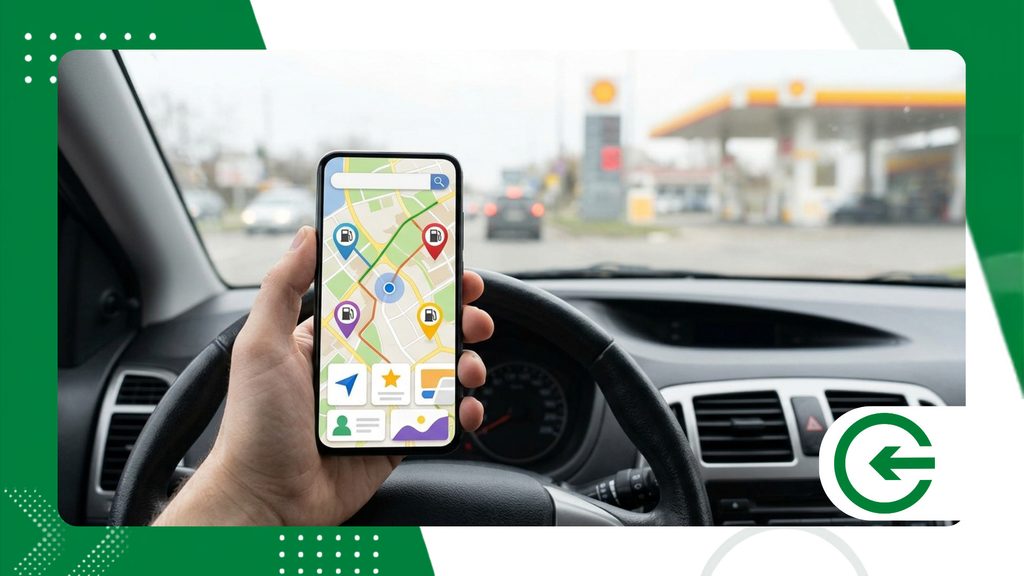
The constant fluctuation in fuel prices demands smart strategies from drivers. Using geolocation technology reduces unnecessary expenses quickly, efficiently, and completely safely.
Integrating map systems with collaborative databases allows for highly accurate visualization of price fluctuations, preventing unwanted surprises when making payments.
advertising
In addition, the advanced features offer filters by gas station brand, specific fuel types, and the availability of services such as convenience stores, oil changes, or tire inflation on-site.
The financial predictability provided by these digital platforms transforms the routine of urban drivers. The habit of consulting maps avoids long trips just to find slightly lower fares.
Another determining factor involves the vehicle's safety throughout the journey. Established platforms indicate establishments verified by the community, drastically reducing the risks of refueling with adulterated or poor-quality fuel.
What are the best apps for finding gas stations?
The mobile ecosystem offers several efficient alternatives for drivers. Waze stands out immensely due to its strong community character, where users update fuel prices daily.
On the other hand, Google Maps offers an integrated and extremely robust experience. It displays establishments along the route with complete details about opening hours, real reviews, and photos of the facilities.
Furthermore, platforms owned by large distribution networks have gained significant market share in the national market. Solutions such as Shell Box, Premmia, and the Abastece aí app offer exclusive benefits to customers.
These fuel distributor apps integrate loyalty programs, offer cashback, and provide direct discounts per liter. This combination makes the refueling experience substantially cheaper for frequent drivers.
For those seeking a transparent regulatory analysis of the prices charged, it is worthwhile to follow the official surveys published by... National Agency of Petroleum, Natural Gas and Biofuels (ANP).
By diversifying the tools you use on your smartphone, you ensure the flexibility to find the lowest price for your daily commute. The combination of browsers and cashback apps optimizes the entire process.
How to compare prices and services before filling up with gas?
To maximize savings, always enable precise location permission on your mobile device. This setting allows platforms to accurately calculate the distance to nearby establishments.
Before starting the vehicle, open the chosen app and apply the filters for the desired fuel type, whether it's regular gasoline, premium gasoline, ethanol, diesel, or CNG.
Pay attention to price updates recently made by other drivers. Prices reported just a few hours ago have a much higher reliability index than those registered more than a week ago on the platform.
Analyze whether the trip to a more distant gas station is financially worthwhile considering the price difference. Fuel consumption during the additional journey may negate the savings obtained in the price per liter.
Also check the payment methods accepted by the establishment. Many gas stations offer promotional prices linked to payments via Pix or specific credit cards registered in the station's app.
++ Apps for accurately measuring walking speed
How can I save fuel in my daily life?
In addition to selecting the best apps to find gas stationsMaintaining good driving habits is essential to reduce your vehicle's overall fuel consumption of ethanol, gasoline, or diesel.
Keep your tires properly inflated according to the specifications described in the manufacturer's manual. Incorrect pressure increases friction with the asphalt and significantly increases fuel consumption.
Avoid sudden accelerations and braking in heavy urban traffic. Driving smoothly and anticipating the flow of traffic helps preserve the engine and saves precious fuel on every trip.
Reduce the unnecessary weight carried in your car's trunk. Excess cargo requires more mechanical effort from the engine, resulting in a completely unnecessary financial expense at the end of the month.
Use the air conditioning consciously during your daily commutes. At high speeds on highways, keeping the windows closed improves aerodynamics and offsets the use of the cooling system.
++ Apps for creating baby registry lists without forgetting items.
Comparative table of the main digital platforms
Below, we present a clear comparison between the main digital solutions currently available on the Brazilian market. The data helps in choosing the ideal tool for your daily driving needs.
| Application | Main Focus | Key Features | Payment Integration |
| Waze | Navigation and Prices | Real-time collaborative update | It does not have direct payment. |
| Google Maps | General Navigation | Location details, reviews and directions | It does not have direct payment. |
| Shell Box | Loyalty and Discounts | Earning points, miles, and coupons | Payment via App / Card / Pix |
| Premmia (Petrobras) | Petrobras Loyalty | Points for awards and partners | Integrated payment on the network |
| Fill up there (Ipiranga) | Cashback and Benefits | Cash back on fuel purchases | Digital wallet and Pix |
How to optimize your daily search and app usage.

Integrating digital tools into a driver's routine requires only a few seconds of planning before starting the vehicle's engine.
Setting up your vehicle's profile on digital platforms ensures that algorithms exclusively recommend gas stations that offer the exact type of fuel your engine uses, optimizing search time.
The habit of checking the reputation of establishments on navigation apps before stopping prevents serious mechanical problems resulting from the use of adulterated products.
Reviews from other drivers reveal valuable details about the quality of service, the cleanliness of the facilities, and the accuracy of the fuel pumps' operation.
Enabling smartphone notifications for proximity alerts allows you to discover flash sales and special offers at gas stations located on your most frequent routes.
This smart feature identifies when the vehicle is near registered partners, instantly displaying applicable discount coupons at the time of payment.
What are the practical steps for using apps in everyday life?
To use navigation apps efficiently, start by opening your preferred app before beginning your trip. Be sure to activate the GPS function to obtain accurate local results.
Next, use the search field by typing in the specific term you are looking for. The system will process your current location and automatically list available gas station options within a nearby radius.
After the results are displayed, use the search filters to select your desired fuel. This step prevents you from browsing offers that are irrelevant to your car model.
Carefully check the prices displayed next to each establishment listed on the screen. Give preference to prices that have been recently updated by other drivers in the app's community.
When choosing the ideal gas station, tap the option to plot the route directly on the map. The app will guide your journey in real time, calculating the shortest travel time.
If you use platforms that support digital payments, open the proprietary app as soon as you park next to the pump. This speeds up the validation of your discount coupon or cashback.
++ How to use free reading apps to read digital books
Conclusion
The constant adoption of apps to find gas stations This represents a practical advancement for the financial management of any driver, optimizing time and reducing daily vehicle operating costs.
The integration of real-time navigation, up-to-date pricing data, and rewards programs is transforming how we approach the maintenance and refueling of our cars in cities.
Developing the habit of researching prices before starting your car ensures real savings with every fill-up. This simple practice protects your budget against excessive price variations in different regions.
Try testing different platforms to identify which interface best suits your usage profile. The balance between convenience, security, and cost savings is just a touch away.
To deepen your knowledge about traffic, urban mobility, and preventive maintenance tips for your vehicle, consult the official guidelines from... SNC – National Traffic System on the Senatran portal.
Frequently Asked Questions (FAQ)
Which app is most accurate for viewing fuel prices?
Waze often provides frequent price updates due to the large volume of active users who contribute daily by reporting changes observed at gas stations during their routine commutes.
Do gas station apps really offer discounts?
Yes, proprietary apps like Shell Box and Abastece aí offer cashback, direct discounts on the total price per liter, and points accumulation that can be redeemed for products or airline miles.
Is it safe to pay for fuel through apps?
Yes, transactions carried out within these platforms use advanced encryption and strict security protocols, protecting credit card data or Pix keys registered by the driver.
How can I tell if the price displayed in the app is up to date?
In collaborative navigation apps like Waze, it's possible to check the exact time of the last price change made by another user, ensuring greater transparency before you travel to the location.
