
Fast charging on mobile phones: current myths and truths.
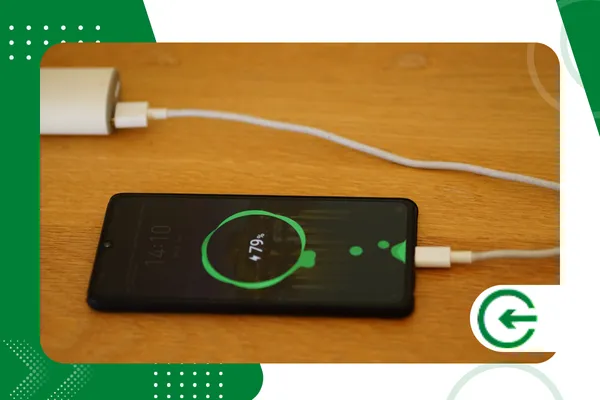
The resource of fast charging on your phone It became the oxygen of our routine in 2026, imploding that old dependence on being glued to the wall for hours.
Adverts
This convenience isn't magic; it relies on complex algorithms that shape the electrical current so the device doesn't fry in your hand.
Still, a ghost lingers in tech forums: the real fear that all this power will shorten the device's lifespan. When we look at the physics of lithium ions, the answer to this concern requires separating alarmism from actual chemical behavior.
Leaving aside assumptions, we will understand how the new power protocols work and what actually degrades your hardware.
Ultimately, protecting your digital assets requires less paranoia and more conscious choices about what you plug into the wall socket.
advertising
Summary
- How does fast charging technology work on cell phones?
- What are the main myths about battery degradation?
- What is the real impact of heat during charging?
- How have the new gallium nitride (GaN) chips changed the market?
- What practices extend the lifespan of your smartphone?
- Frequently Asked Questions (FAQ)
How does fast charging technology work on cell phones?
Modern smartphones play a delicate game of electrical chess, dividing the power supply into two stages aggressively controlled by internal software.
Initially, when the indicator shows less than 50%, the system opens the floodgates to release a surge of current.
This aggressive engineering is what allows you to achieve hours of battery life with the phone plugged in, for the time it takes to grab a quick coffee.
There is relentless monitoring of the cells' internal resistance to ensure that the voltage does not exceed the physical limits of the silicon.
The turning point occurs near 80%, at which point the flow slows down to a considerably slower speed.
This application of the brakes prevents terminal molecular stress, ensuring that the cycle finishes without causing internal components to bulge.
Each manufacturer calibrates this dance of volts and amps in a unique way, creating closed, high-performance ecosystems.
The success of fast charging on your phone It arises precisely from this precise and uninterrupted dialogue between the power outlet and the motherboard.
What are the main myths about battery degradation?
The most persistent rumor in the technical community insists that bombarding the battery with energy will cause the electrodes to burst within a few months.
However, materials physics disproves this theory, given that the device never absorbs more than it can handle.
There's also that old habit of blaming leaving your phone plugged in during deep sleep.
The truth is that integrated circuits simply cut off the power supply as soon as the storage limit hits 100%.
Another idea that is often misinterpreted concerns playing games or replying to messages while the device is charging.
The habit does indeed generate a temperature spike, but the operating system responds by reducing power consumption at that moment to balance things out.
The industry has already shielded the hardware against most everyday mishaps or minor fluctuations in your home's electrical grid.
Enjoy the fast charging on your phone It requires less concern with miraculous rules and more attention to the origin of your accessories.
++ Foldable phones 2026: are they worth investing in now?
What is the real impact of heat during charging?
The real villain in the lithium-ion story is not the charging speed, but rather prolonged thermal stress.
Exceeding the 45-degree Celsius mark triggers accelerated degradation of the internal chemical structure, speeding up the aging of the component.
To overcome this physical barrier, brands have adopted vapor chambers and graphite blankets that spread the heat to the edges.
These solutions function like a tiny radiator, expelling the thermal energy generated by the high-power conversion process.
Leaving the device under your pillow or using cheap plastic covers completely sabotages this thermal engineering effort.
++ How AI-powered health wearables will monitor well-being 24/7.
| Charging Technology | Average Power (Watts) | Average Time (0% to 50%) | Maximum Safe Temperature |
| Old Standard (USB) | 5W to 10W | 50 minutes | 32°C |
| Initial Quick Charge | 18W to 25W | 30 minutes | 38°C |
| Turbo GaN Charging | 65W to 120W | 12 minutes | 42°C |
| Premium Ultra-Fast | 150W to 240W | 5 minutes | 44°C |
How have the new gallium nitride (GaN) chips changed the market?
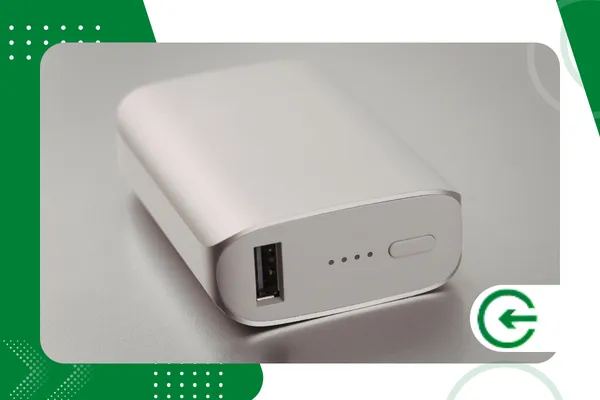
Replacing traditional silicon with gallium nitride broke a historical bottleneck in the manufacture of portable power supplies.
This chemical alloy conducts electrons with incredible efficiency, leaving behind waste in the form of heat.
Because GaN handles high voltage better, engineers were able to squeeze the internal components into much smaller housings.
This led to the creation of compact blocks that deliver massive power without turning the outlet into a space heater.
The exchange results in a clean, stable current with almost negligible energy losses compared to the bricks of yesteryear.
This change consolidated the fast charging on your phone as a mature, durable, and surprisingly safe technology for everyday use.
Today, the same accessory that powers your phone can handle the load of a robust laptop via USB Power Delivery.
This versatility has streamlined backpacks, unifying the power supply for different electronics under a single smart standard.
What practices extend the lifespan of your smartphone?
Operating within the chemical comfort zone — maintaining the energy level between 20% and 80% — dramatically extends the health of the device.
Frequently letting your cell phone die pushes the physical limits of the electrodes, hastening the battery's retirement.
Investing in quality-certified cables avoids unpleasant surprises caused by sudden voltage spikes in the wiring.
Cheap accessories of dubious origin skimp on protection chips, frying the phone's electrical management without warning.
Enabling the native smart charging features causes the software to hold the final charge until the moment you wake up.
The operating system monitors your sleep habits and prevents the battery from suffering unnecessary strain in the early hours of the morning.
Keeping the system updated ensures that new thermal dissipation refinements take effect.
Take advantage of fast charging on your phone Without damaging the device, it's a matter of adopting these small adjustments as a habit.
++ Agent 365: Why Microsoft is bringing AI agents to work.
Critical Reflection
Advances in power transmission have solved one of the biggest pain points of modern digital life without requiring real sacrifices in durability.
The old panic surrounding high-powered chargers has lost its meaning in the face of systems protected by artificial intelligence and temperature sensors.
Ensuring that this mechanism continues to function smoothly boils down to avoiding extreme heat and steering clear of counterfeit accessories.
To understand more about global electromagnetic and telecommunications safety standards, it is worth following the updated guidelines from... ITU (International Telecommunication Union).
Frequently Asked Questions (FAQ)
Does fast charging on a cell phone reduce battery life?
Not noticeably so in real life. The internal chips regulate the current intensity all the time, reducing the power before the heat can break the chemical bonds of the lithium ions.
Can I use a high-power charger from another brand with my smartphone?
Yes, provided it has legitimate certifications and supports universal protocols. The internal circuitry of your own phone acts as a barrier, drawing only the exact amount of power it can handle.
Why does the smartphone get hotter during the initial charging phase?
This happens because the first half of the cycle requires brute force to accelerate the recharging process. The phone monitors the internal thermometer and slows down the absorption rate as soon as the temperature hits the safety limit.
