
Benefits of using time tracking and focus apps

In a fast-paced world where digital distractions lurk with every notification, time tracking and focus apps emerge as indispensable allies for those seeking productivity and balance.
Adverts
We live in an age of abundant information, with smartphones, social media and emails competing for our attention.
So how do you stay focused on important tasks and manage your time effectively?
The answer lies in technology, which, ironically, also distracts us.
These apps aren’t just tools; they’re guides to more intentional living, helping you transform daily chaos into an organized flow of accomplishments.
advertising
Additionally, using these applications can provide a better quality of life, allowing you to have more time for personal and family activities.
Investing in your own time is essential to achieving a healthy work-life balance.
Productivity is not about working more, but about working better.
A study from the University of California, Irvine, found that it takes an average of 23 minutes to regain focus after an interruption.
Modern time management tools offer practical solutions to minimize these breaks in concentration and maximize performance.
In this article, we will explore how time tracking and focus apps can revolutionize your routine, bringing benefits ranging from greater mental clarity to achieving long-term goals.
Let’s dive into how these tools can be the rudder that guides your boat through turbulent seas of distractions.
1. Organization and Structuring of Time
Think of your day as a blank canvas: without planning, it can become a messy painting.
You time tracking and focus apps They act as a preliminary outline, helping you structure your hours with purpose.
Tools like Toggl or Clockify let you track the time you spend on each task, revealing where you invest – or waste – your minutes.
By categorizing activities such as “work,” “study,” or “leisure,” you gain a clear view of how your time is distributed, allowing you to adjust to prioritize what really matters.
For example, Ana, a freelance designer, spent her day reactively, responding to emails and jumping between projects without any criteria.
After adopting a time tracking app, she discovered that she was spending 40% of her day on unproductive administrative tasks.
With this insight, he reorganized his routine, setting aside specific blocks for creation and limiting time spent on emails.
The result? A 30% increase in your monthly productivity.
| Activity | Time Spent Before | Time Spent After |
|---|---|---|
| Creative Tasks | 4 hours | 6 hours |
| Emails and Admin | 3 hours | 1 hour |
| Meetings | 2 hours | 1.5 hours |
This clarity promotes a proactive approach, where you decide where your time is going, rather than letting it be consumed by distractions.
Additionally, structuring your time can help reduce stress as you will have a clear view of your priorities and deadlines.
With this, planning becomes a powerful tool to achieve your goals without overload.
2. Reduce Distractions and Increase Focus
Have you ever wondered how many times a day you check your cell phone?
Studies indicate that the average Brazilian checks their smartphone 78 times daily.
Every interruption, no matter how small, fragments your attention.
You time tracking and focus apps, like Focus@Will or Forest, combat this problem by creating digital barriers against distractions.
They block notifications, limit access to social networks or encourage concentration through techniques such as Pomodoro, which alternates periods of intense work with short breaks.
Consider the case of Lucas, a college student who struggled to study for more than 20 minutes without checking WhatsApp.
By using Forest, an app that "plants" a virtual tree while you focus, he was able to extend his study sessions to 50 minutes.
Gamification has turned the discipline into something fun, and virtual trees have become a symbol of your progress.
In two weeks, Lucas increased his daily study average from 2 to 4 hours.
These tools not only block distractions, but also retrain your brain to value periods of deep concentration, creating a virtuous cycle of productivity.
Additionally, reducing distractions can lead to a significant increase in the quality of work produced.
With fewer interruptions, you can focus more on your tasks, resulting in more polished and creative work.
+ Benefits of Using Financial Management Applications
3. Self-knowledge and Continuous Improvement
Knowing how you use your time is the first step to improving it.
You time tracking and focus apps offer detailed reports that act as a mirror of your routine.
Tools like RescueTime automatically analyze your digital activity, showing you how much time you spend on productive sites versus distracting ones.
This self-awareness is powerful: it turns assumptions into concrete data, allowing for evidence-based adjustments.
For example, a report might reveal that you spend 10 hours a week on social media, while dedicating only 5 hours to priority projects.
With this information, you can set realistic goals, such as reducing your networking time to 5 hours and redirecting that time to strategic tasks.
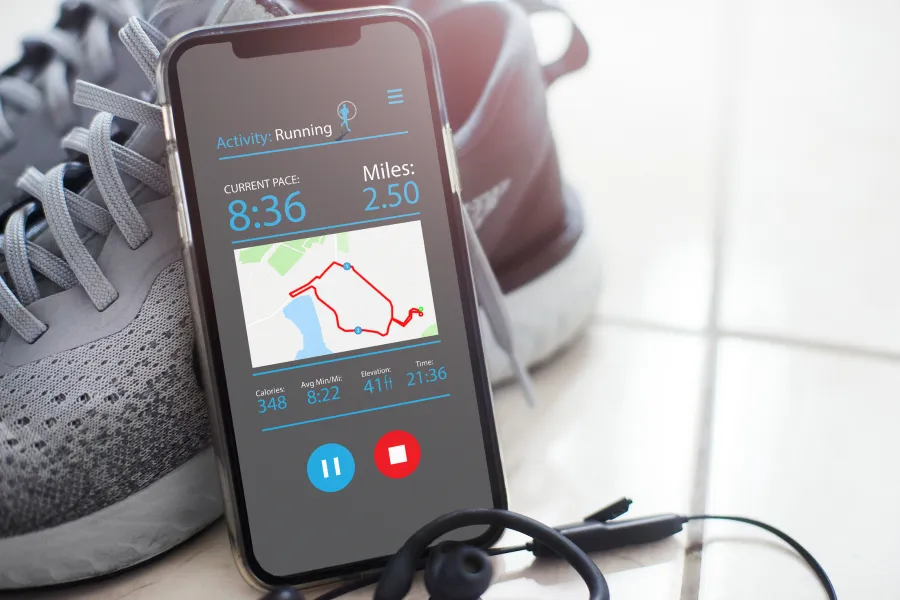
The table below illustrates how small changes can have an impact:
| Category | Current Weekly Weather | Weekly Goal |
|---|---|---|
| Social media | 10 hours | 5 hours |
| Personal Projects | 5 hours | 8 hours |
| Intentional Leisure | 3 hours | 5 hours |
This type of analysis not only optimizes your time, but also promotes a healthier relationship with technology, aligning your actions with your goals.
Furthermore, self-awareness about how you use your time can help you identify procrastination patterns and develop strategies to combat them.
This makes you more aware of the pitfalls that can slow down your progress.
4. Alignment with Long-Term Goals
Productivity isn't just about the present; it's about building the future you want.
You time tracking and focus apps help connect your daily actions to your long-term aspirations.
Tools like Todoist or Notion allow you to create to-do lists tied to larger goals, breaking down complex projects into manageable steps.
This approach prevents procrastination and keeps you on track.
Think of time as a road: without a map, you may end up at unwanted destinations.
These apps act like a GPS, guiding your daily choices so that each step brings you closer to your dreams.
For example, if your goal is to learn a new language in six months, an app like Trello can help you break the process down into weekly steps, like “practice vocabulary for 30 minutes a day” or “attend an online class on Wednesdays.”
This structuring makes progress tangible and motivating.
Additionally, aligning with long-term goals promotes a sense of accomplishment as you see how each task contributes to your larger goals.
This can increase your motivation and satisfaction over time.
See too: Innovations in Telemedicine: How to Consult Doctors Without Leaving Home
5. Well-being and Work-Life Balance
Being overloaded with tasks can lead to burnout, but time tracking and focus apps also promote well-being.
Tools like Daylio or Timeular allow you to set aside time for self-care, hobbies, or family, ensuring that work doesn’t swallow up your personal life.
By planning intentional breaks, you recharge your batteries and avoid burnout, which affects 70% of Brazilian professionals, according to a survey by ISMA-BR.
Incorporating intentional leisure time, such as taking a walk or reading a book, into your daily schedule reinforces the idea that time is a finite and valuable resource.
These apps help create a balance where productivity and well-being go hand in hand, allowing you to live more lightly.
Additionally, self-care and attention to mental well-being are key to maintaining long-term productivity.
When you feel good, you are more likely to stay focused and efficient in your daily tasks.
6. Adaptation to Modern Reality
The world has changed, and with it, the way we manage our time.
The pandemic has accelerated the adoption of remote work, and time tracking and focus apps have become essential for dealing with the fusion between personal and professional life.
Tools like Asana or ClickUp allow teams to collaborate remotely, while individuals use apps like Freedom to maintain discipline at home.
This adaptability is crucial in a setting where the lines between “office” and “home” often blur.
Additionally, artificial intelligence built into these apps, such as tools like Reclaim.ai, automatically suggests the best times for tasks based on your calendar and habits.
This not only saves time, but also personalizes the experience, making it more efficient.
For more information on the best productivity tools, you can visit Todoist.

Conclusion: Why Adopt These Tools?
In a scenario where time is the most valuable asset, time tracking and focus apps They are more than tools – they are partners in building a more productive and balanced life.
They provide clarity, reduce distractions, promote self-awareness, align your actions with larger goals, and protect your well-being.
The question is: why continue to sail aimlessly when you can have such a powerful rudder at your fingertips?
Adopting these solutions is an investment in yourself.
Whether you're a student, professional, or entrepreneur, these apps can transform the way you live and work.
Experiment, adjust and discover how controlling your time can open doors to a more fulfilled future.
