
Anti-spy screen: how protection works on new cell phones
Privacy in public spaces has become a luxury, driving the... anti-spy screen as an indispensable item in the daily lives of those who check banking apps on the subway or type in passwords on the bus.
Adverts
Data theft through direct observation — that discreet glance over the shoulder — has taken on the proportions of an urban epidemic with the consolidation of instant payments.
Understanding the mechanics of this protection helps in deciding between palliative market solutions and integrated technologies that are beginning to redefine the construction of modern smartphones.
Summary
- What is an anti-spy screen on smartphones and what is it used for?
- How does visual blocking technology work in practice?
- What are the differences between physical screen protectors and natively integrated screens?
- Which new cell phone models have this technology natively?
- Like the anti-spy screen Does it affect image quality and battery life?
- Is it worth investing in an anti-spy screen for everyday use?
- Frequently Asked Questions (FAQ)
What is it and what is it used for? anti-spy screen On smartphones?
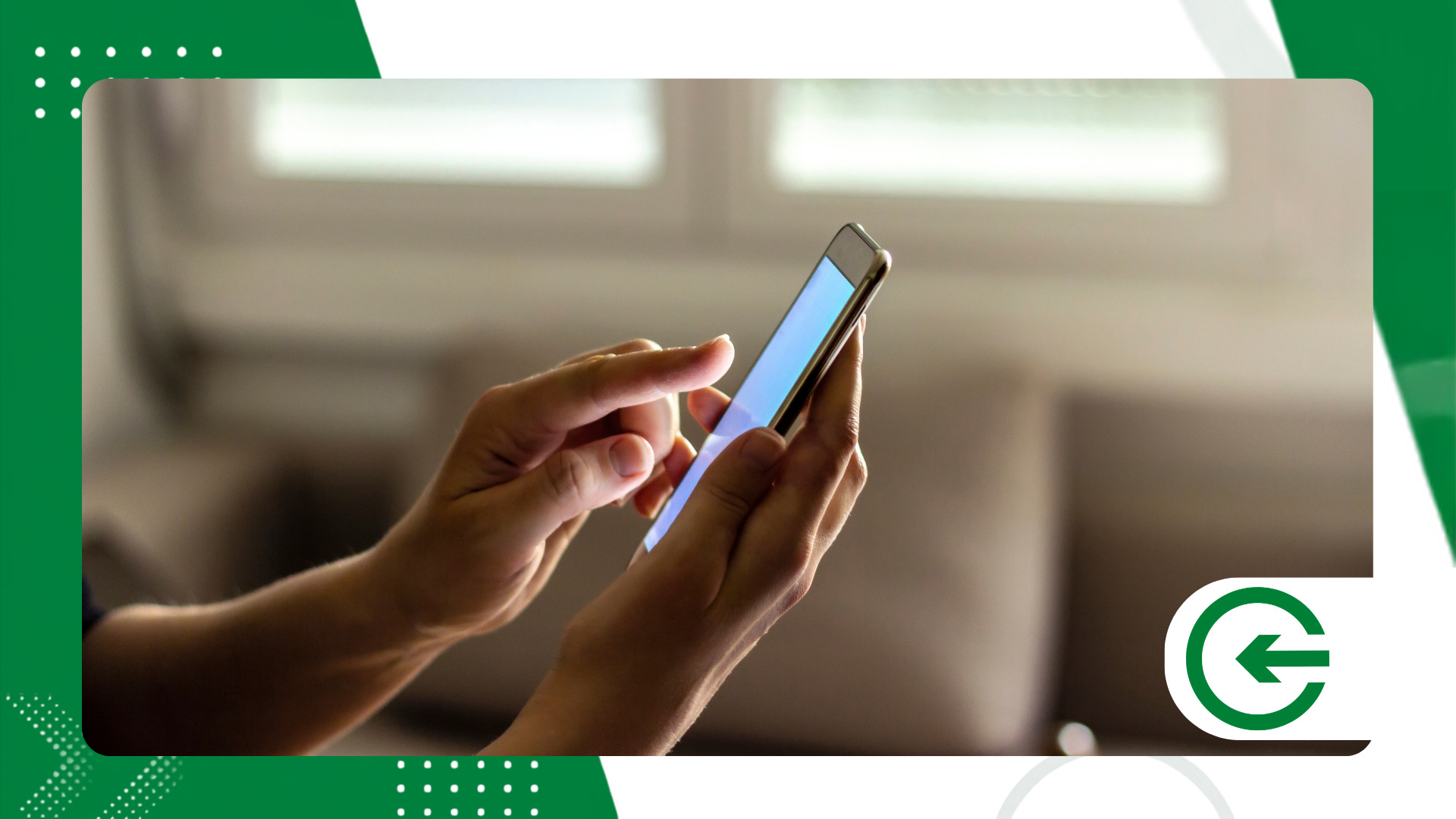
The central objective of a anti-spy screen It involves narrowing the angle of light emission, transforming a panoramic panel into an exclusive window for the person holding the device.
This barrier combats the shoulder surfing, a visual espionage method in which third parties capture validation codes, private conversations, and login credentials without installing any malware on the device.
advertising
Limiting visibility to those positioned directly in front of the glass returns control of navigation to the user, preserving privacy without requiring a defensive posture in public spaces.
The rapid migration of essential services to the mobile environment has transformed the cell phone into the primary personal vault, making visual security as critical as operating system encryption.
How does visual blocking technology work in practice?
The architecture of a anti-spy screen It relies on principles of optical physics, using micro-vertical blinds distributed uniformly in a millimeter-thick blade.
When viewed at a 90-degree angle, light passes through the microscopic gaps without obstruction, delivering clarity to the smartphone user.
If the observation occurs laterally, exceeding the 30 to 45 degree margin, the optical barriers block the light vector, presenting an opaque panel to the curious observer.
Next-generation panels are beginning to dispense with fixed filters, employing dynamic alignment of liquid crystals via software to alter the light behavior on user demand.
++ Bluetooth LE Audio: What's changing in modern wireless headphones today?
What are the differences between physical screen protectors and natively integrated screens?
The fundamental distinction lies in the design phase: accessories applied later cover the glass, while native solutions are born fused to the pixel arrangement of the display itself.
Polarized glass films represent the most affordable route, although they exact an annoying toll in peak brightness and, occasionally, in the response of ultrasonic biometrics under the glass.
Solutions manufactured directly into the latest panels manage refraction electronically, preserving color vibrancy and biometric sensor response time when private mode is off.
The choice between a cheap fixed barrier and a manageable refraction system involves weighing immediate costs against preserving image fidelity in everyday use.
++ Who invented the computer mouse and what did the first model look like?
| Feature / Characteristic | Traditional Anti-Spy Film | Native Anti-Spy Screen (Hardware/Software) |
| Locking Angle | Fixed (usually from 30°) | Adjustable (activated via software or command) |
| Reducing glare | Continuous loss of light from 15% to 30% | Point loss only occurs when the mode is active. |
| Biometric Sensor | It may fail on readers under the glass. | Full compatibility without technical interference. |
| Average Cost | Low (replacement accessory) | High (incorporated into the smartphone's price) |
| Durability | Subject to risks, cracks and bubbles. | Same durability as the original windshield. |
Which new cell phone models have this technology natively?
The mobile industry is beginning to treat screen privacy as a key differentiator, integrating light diffusion controls into the most advanced segments of its product range.
Samsung has accelerated the development of OLED prototypes with flexible angle control, directing photons forward as soon as sensors identify unregistered faces within the immediate perimeter of the device.
The regulation of the network and terminal ecosystem in the country remains under continuous supervision by National Telecommunications Agency (Anatel), which establishes technical guidelines for hardware safety and certification.
Global brands are also testing front-facing camera-based routines that trigger display dimming the exact millisecond a second pair of eyes appears in the capture area.
How to anti-spy screen Does it affect image quality and battery life?
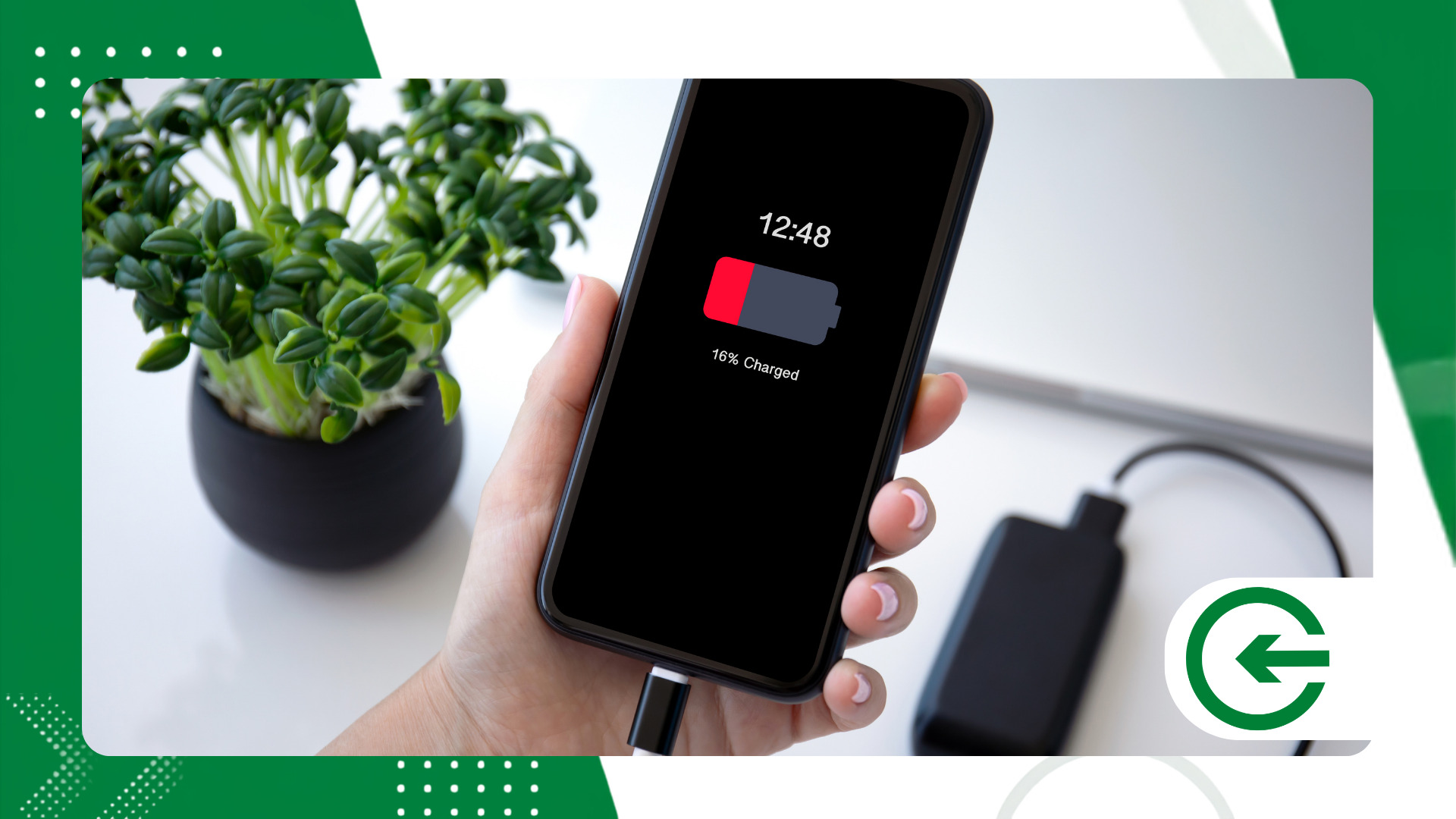
The use of a anti-spy screen Physics dictates that the panel's brightness must constantly increase to compensate for the light filtering imposed by the micro-louver layer.
Light emitted at a higher intensity requires more work from the display's diodes, which accelerates battery drain and reduces overall battery life throughout the day.
Accessories of dubious origin often introduce moiré patterns or visual asperities, distorting the color reproduction of screens equipped with high-density AMOLED technology.
Native displays circumvent this loss by maintaining a transparent structure under normal conditions, activating light dimming only during time windows when privacy is required.
How do I choose the best option for my cell phone?
Without hardware support in current smartphones, the double polarized aluminosilicate glass screen protector remains the most practical way to mitigate risks.
During the selection process, it's advisable to check for the compatibility label with biometric sensors under the screen and look for front light transmission rates higher than 70%.
Established brands typically offer superior oleophobic treatment and precise alignment of the micro-blades, reducing eye strain caused by irregular refractions in the glass.
For those planning to replace their device in the current cycle and who work with confidential information while in transit, prioritizing models with active angle control becomes a sound strategic decision.
Is it worth investing in one? anti-spy screen For your daily use?
Protecting banking credentials and personal data from accidental observation is a basic layer of digital hygiene in cities where cell phones have become a primary target for opportunists.
The occasional loss of brightness in outdoor window films is a negligible technical cost when compared to the financial disruption caused by the visual capture of a master password.
Professionals working in hybrid roles who handle sensitive reports outside the office find visual filters a simple solution to corporate information security requirements.
The decision comes down to individual considerations: those who prioritize consuming media from varied angles will need to weigh the limitations, while those who frequent busy areas will gain an immediate sense of tranquility.
++ Tips for backing up important files without spending money.
Frequently Asked Questions (FAQ)
THE anti-spy screen Does the phone screen get too dark?
Reduces luminous flux between 15% and 30% on adhesive physical versions, requiring manual brightness adjustment, while screens with dynamic control maintain normal brightness with the function deactivated.
Does the in-screen fingerprint reader work with an anti-spy screen protector?
It depends on the alignment of the accessory. Blades that are too thick or have misaligned polarization interfere with the ultrasonic sensors, so it is recommended to look for products specifically certified for biometric reading under glass.
Is it possible to see the screen using the phone in landscape mode?
Conventional filters operate on a single axis, blocking the view in the portrait direction. New generation bidirectional films extend the optical cut to the landscape axis, containing light in both orientations.
What is the difference between 2D, 3D, and 9D anti-spy film?
The commercial terms indicate the degree of curvature of the finish on the edges of the glass. 3D versions or higher follow the slope of the panel to the edges of the chassis, improving grip and mechanical protection.
THE anti-spy screen Does it protect your cell phone from drops and scratches?
Accessories made of tempered glass serve the structural function of absorbing surface impacts, shielding the original panel from cracks and scratches without negating the lateral blocking effect.
Adopting physical barriers and keeping up with updates in the digital protection ecosystem are practical steps to safeguard your assets in urban environments.
Monitoring of data rights and privacy protection regulations can be done directly at General Data Protection Law (LGPD) Portal
Maintained by the federal government. Keeping strict control over who sees your actions on the screen is a silent but extremely effective habit for safeguarding your financial life every day.
