
How to use games as a social integration tool
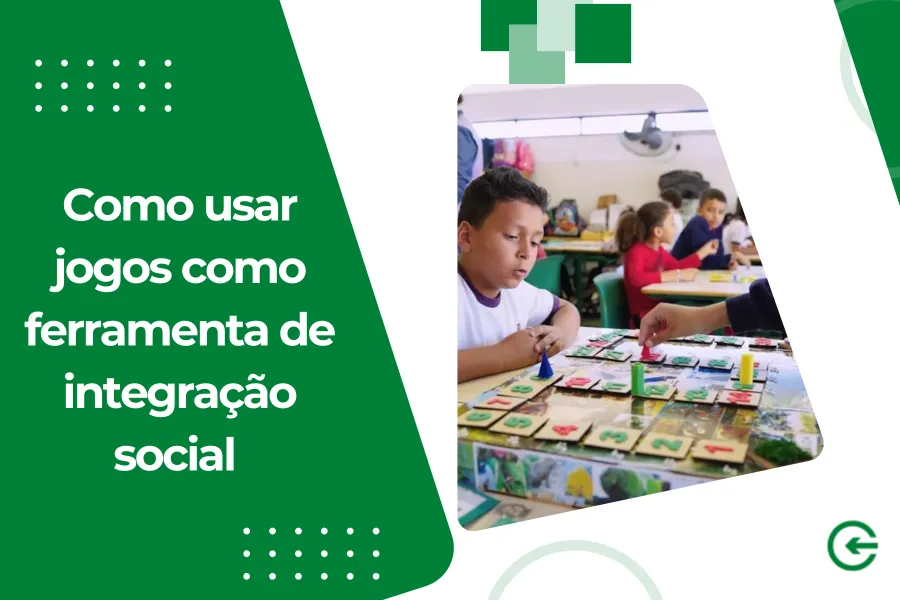
Games as a tool for social integration have transformed the way we connect people in an increasingly digital and diverse world.
Adverts
In an era marked by cultural, geographic and social divisions, games emerge as bridges that unite individuals and promote collaboration, empathy and a sense of community.
It’s not just about entertainment; the potential of games to create human bonds is a growing trend, backed by studies and practical examples.
This text explores how games can be used intelligently to integrate people, presenting arguments, data and examples that demonstrate their real impact.
Furthermore, initiatives such as the “Games for Change” project in the United States clearly show how people can use games to address social issues and promote positive change.
advertising
The power of games in building communities
Imagine a campfire on a starry night, where people share stories and form bonds.
Digital games, like this bonfire, bring people together in shared spaces, whether virtual or in person.
Platforms like Minecraft or Among Us create interactive environments where players collaborate, solve problems, and build together, often without language or cultural barriers.
A 2020 Oxford University study found that a staggering 761% of online multiplayer game players report forming meaningful friendships within these platforms.
This statistic highlights the power of games as a tool for social integration, especially in times of physical isolation, such as during the pandemic.
Furthermore, by participating in games, individuals develop social skills that are crucial for living in society, strengthening community ties.
Group dynamics and communication
Additionally, games promote group dynamics that encourage effective communication.
In World of Warcraft, for example, players form guilds, debate strategies and define roles, creating a strong sense of belonging.
These interactions are not just recreational; they teach social skills, such as negotiation and teamwork, that transcend the virtual environment and apply to everyday life.
The ability to resolve conflicts and work together is a reflection of what can be achieved in a gaming environment, illustrating the importance of games in forming cohesive communities.
Games as cultural bridges
Cultural diversity can be a challenge, but also a valuable opportunity.
Games, as a tool for social integration, allow people from different backgrounds to share experiences without the burden of stereotypes.
Narrative games, such as Life is Strange or The Sims, place players in scenarios that explore themes such as identity, inclusion and diversity.
By taking on the roles of characters with different backgrounds, players develop empathy and understanding, expanding their perspectives.
A practical example of this is the “Culture in Play” project, developed by a Brazilian NGO in 2023.
This initiative used custom board games to integrate Venezuelan refugees into communities in Manaus.
The games, based on stories of migration and overcoming, encouraged Brazilians and Venezuelans to share their own experiences, creating bonds of trust.
This case illustrates how people can adapt games to specific contexts, effectively promoting cultural inclusion.
Table 1: Benefits of games for cultural integration
| Benefit | Description | Example |
|---|---|---|
| Empathy | Narrative games encourage understanding of diverse perspectives. | Life is Strange |
| Collaboration | Multiplayer games require teamwork, bridging cultures. | Among Us |
| Communication | Virtual environments break down language barriers. | Fortnite |
+ 15 Games to Play as a Couple and Have a Good Laugh
Education and inclusion through play
Why not turn learning into a collective adventure?
Games, as a tool for social integration, play a powerful role in education.
Platforms like Kahoot! or educational games like Eco (which simulates ecosystems) make learning interactive and collaborative.
Brazilian schools, especially in rural areas, have adopted games to integrate students from different socioeconomic backgrounds.
At a school in Pernambuco, for example, teachers used Minecraft Education to teach history, where students built replicas of colonial cities, working together and learning about local culture.
Furthermore, games are inclusive tools for people with disabilities.
Accessible games like The Last of Us Part II offer customization options like detailed subtitles and adapted controls, allowing players with visual or motor impairments to fully participate.
This inclusion strengthens integration, as everyone can share the same experience and contribute to a more diverse environment.
The social impact on local communities
In urban peripheries, where access to leisure spaces is limited, games help to build more united communities.
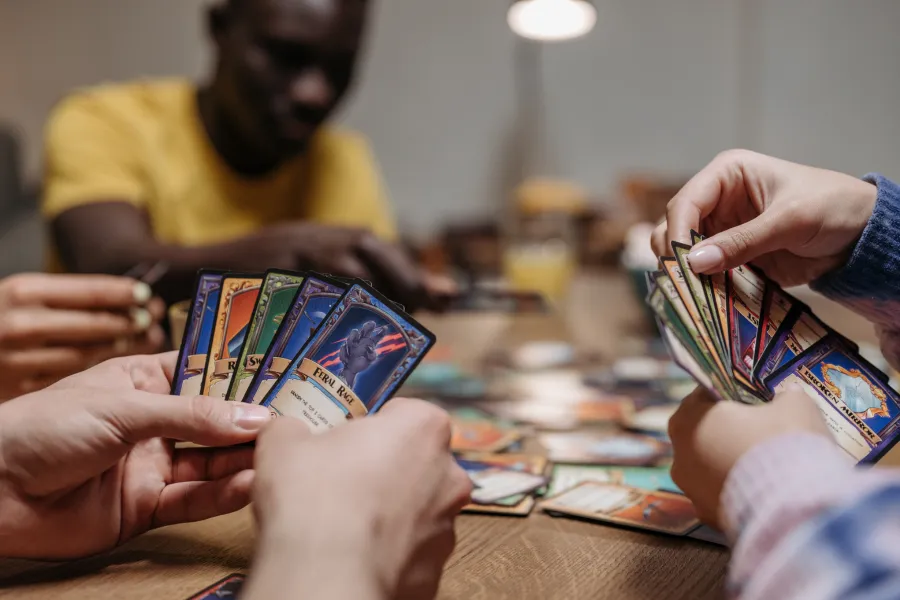
Games, as a tool for social integration, appear in initiatives such as “Game na Quebrada”, a project in São Paulo that organizes digital and analog gaming tournaments in favelas.
In 2024, the project brought together more than 300 young people for FIFA competitions and board games, creating a safe space for dialogue and interaction.
The result? Less conflict between rival groups and greater engagement in community activities.
These initiatives show that games don’t need to be sophisticated to have an impact.
Board games like Dixit, which encourage creativity and storytelling, are accessible and effective at bringing people together.
The key is to use games as catalysts for meaningful conversations and connections.
Table 2: Examples of games and their social impact
| Game Type | Example | Social Impact |
|---|---|---|
| Digital | FIFA | Promotes healthy competition and community engagement. |
| Board | Dixit | Stimulates creativity and dialogue in diverse groups. |
| Educational | Minecraft Education | Teaches collaboration and history in the classroom. |
Challenges and solutions in implementation
While the potential of gaming is enormous, there are challenges that need to be addressed.
Not everyone has access to quality devices or internet, which can exclude vulnerable populations.
Additionally, excessive gaming can isolate people if not managed well.
To overcome these barriers, it is essential to create accessible and balanced initiatives.
Community projects can provide shared equipment, while educators and leaders should guide responsible use of games.
Another challenge is the stigma that games are a “waste of time.”
Educational campaigns can change this perception, highlighting success stories, such as “Cultura em Jogo” or “Game na Quebrada”.
Showing that games, as a tool for social integration, have a measurable impact is crucial to gaining support from governments and organizations.

See too: The Best Tech Easter Eggs You Didn't Know About
The Future of Gaming in Social Integration
Looking to the future, artificial intelligence and augmented reality promise to revolutionize the use of games as a tool for social integration.
AI-powered games can create personalized experiences, adapting narratives to reflect players’ experiences.
Augmented reality, like Pokémon GO, encourages interactions in the real world, bringing people together in public spaces.
In 2025, the social gaming market is expected to grow 12% in Brazil, according to projections by Newzoo, driven by initiatives that prioritize social impact.
The question is: if games can bring such different people together, why not invest more in them?
Governments, schools and NGOs have the opportunity to use games as a social integration tool to create more cohesive societies.
Ultimately, the key is to plan, implement and measure the impact of these initiatives carefully and responsibly.
For more information on the social impact of games, you can visit the Games for Change.
Conclusion
Games as a tool for social integration are more than a trend; they are a creative and powerful solution to the challenges of a fragmented world.
So whether it’s connecting cultures, educating young people or strengthening communities, games prove that fun and social impact can go hand in hand.
Therefore, with planning and innovation, Brazil can lead the use of games to build bridges between people, transforming screens and boards into spaces for unity and understanding.
