
Differences Between Flagship and Mid-Range Cell Phones: Which One to Choose?

When buying a new smartphone, one of the most common questions is: differences between flagship and mid-range cell phones really justify the investment in a top-of-the-line model?
Adverts
With the constant evolution of technology, mid-range devices have become increasingly capable, but flagships still maintain significant advantages.
In this article, we’ll explore the pros and cons of each category, helping you make the smartest decision for your budget and needs.
Furthermore, the growing popularity of social media and digital content creation makes choosing the right smartphone even more relevant.
Users are looking for devices that not only meet their daily needs, but also provide quality photos and videos to share online.
advertising
What Defines a Flagship Cell Phone?
Flagship cell phones are the brands' flagships, representing the most advanced in mobile technology.
They often launch with the most powerful processors, high-resolution cameras, premium designs, and unique features like ultra-fast charging and high refresh rate displays.
Brands like Samsung, Apple and Xiaomi invest heavily in these devices to consolidate their image in the market.
These smartphones frequently receive the latest software updates and innovative features, making them more attractive to consumers who want to stay ahead of the curve.
However, all this technology comes at a price.
A flagship smartphone can cost anywhere from R$4,000 to R$10,000, depending on the model and brand.
For many consumers, this is prohibitive, especially when intermediaries offer similar experiences at a fraction of the cost.
Additionally, the rapid depreciation of flagships may cause many users to reconsider their long-term investment.
Mid-Range Cell Phones: Balance Between Cost and Benefit
Mid-range cell phones have emerged as an affordable alternative for those looking for good performance without spending a fortune.
They occupy an interesting space in the market, offering robust specifications, such as mid-range processors, competent cameras and long-lasting batteries, for prices ranging from R$ 1,500 to R$ 3,000.
These devices are ideal for users who use their smartphone for everyday tasks, such as browsing the internet, using social media and taking occasional photos.
A recent example is Samsung's Galaxy A line, which has been winning over users with features previously exclusive to flagships, such as AMOLED screens and 5G support.
According to a survey by IDC Brazil, mid-range devices accounted for 60% of smartphone sales in the country in 2023, showing how this category has been gaining ground.
Additionally, many mid-range models offer an attractive design and features that appeal to young, connected audiences.
With the growing demand for affordable devices, brands have invested in improving the quality and durability of these smartphones.
Main Differences Between Flagship and Mid-Range Cell Phones
To understand which type of smartphone is ideal for you, it is essential to analyze the differences between flagship and mid-range cell phones in key aspects.
Let's compare them in terms of performance, cameras, design, durability and value for money.
1. Performance: Power vs. Efficiency
The flagships are equipped with the latest and most powerful processors on the market, such as the Snapdragon 8 Gen 2 or the Apple A17 Bionic.
This ensures exceptional performance in heavy tasks such as 3D gaming and video editing.
Additionally, they tend to have more RAM and storage, providing a smooth, lag-free experience.
These devices are ideal for users who demand maximum performance and efficiency in their daily activities.
Intermediates use more modest chipsets, such as the Snapdragon 7 Gen 1 or the MediaTek Dimensity 1080.
Although they don't reach the same level of performance, they are sufficient for everyday use, such as internet browsing, social networks and productivity applications.
Many users may not notice the difference in their day-to-day activities, making intermediaries a practical and cost-effective choice.
| Performance | Flagship | Intermediary |
|---|---|---|
| Processor | Snapdragon 8 Gen 2 | Snapdragon 7 Gen 1 |
| RAM | 8GB to 12GB | 6GB to 8GB |
| Storage | 128GB to 1TB | 64GB to 256GB |
+ Digital Transformation: 6 Benefits for Your Company to Grow
2. Cameras: Professional Quality vs. Good Photos
Cameras are one of the main differences between flagships.
They feature larger sensors, high-quality lenses, and advanced image processing software.
This results in photos with more detail, accurate colors, and better performance in low-light conditions.
Additionally, many flagships offer features like 8K recording and night photography modes that elevate image quality.
Intermediates, on the other hand, have competent cameras, but with limitations.
They can capture good photos in well-lit environments, but may struggle in more challenging situations.
Still, for the average user, the quality is more than enough.
As technology advances, many mid-range devices are beginning to incorporate camera features that were previously exclusive to high-end models.

| Cameras | Flagship | Intermediary |
|---|---|---|
| Main Resolution | 50MP to 200MP | 48MP to 108MP |
| Optical Zoom | Up to 10x | Up to 3x |
| Video Recording | 8K at 30fps | 4K at 30fps |
3. Design and Durability: Premium vs. Practical
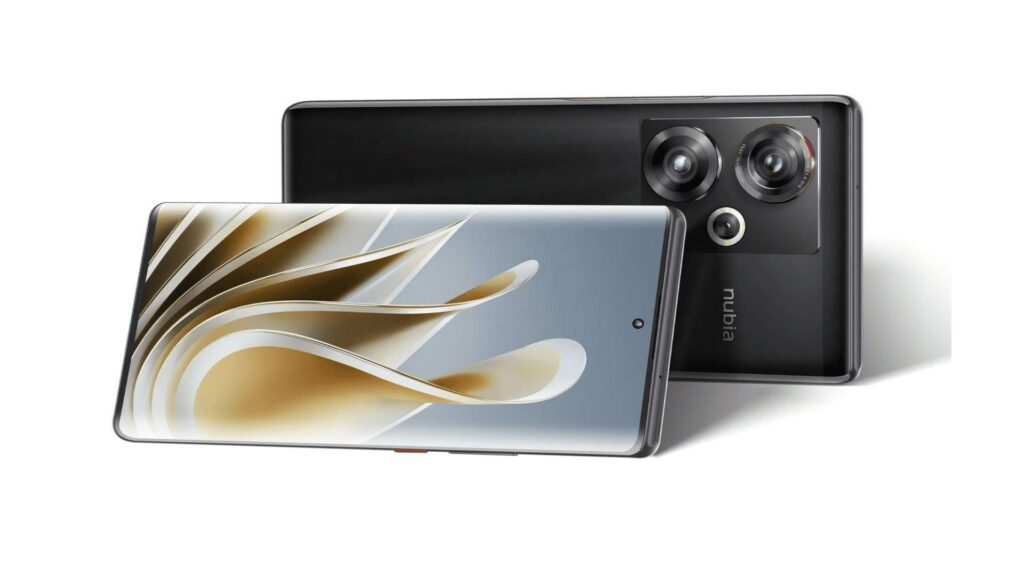
Flagships tend to have sophisticated designs, with premium materials like glass and metal.
Additionally, many are water and dust resistant, with IP68 certifications.
These devices are built to impress, both visually and in terms of durability.
Attention to detail in design also contributes to the overall user experience, making them more enjoyable to use.
Intermediaries, in turn, prioritize practicality.
They can use materials like high-quality plastic, which reduces the cost without compromising much on strength.
While they may not be as luxurious, they are still attractive and functional devices.
Many users value the lightness and ergonomics of mid-range devices, making them more comfortable for everyday use.
Cost-Benefit: Is it Worth Investing in a Flagship?
Here's the crux of the matter: differences between flagship and mid-range cell phones justify the higher price?
The answer depends on your usage profile.
If you are a tech enthusiast, enjoy heavy gaming or work with video and photo editing, a flagship may be worth it.
However, for most users, a mid-ranger offers everything needed at a more affordable price.
It is worth remembering that flagships also have a longer lifespan, receiving software updates for longer.
This can be a deciding factor for those who plan to keep the same device for several years.
Additionally, many consumers consider the resale value of flagships, which tends to be higher compared to mid-range devices.
See too: Cloud Computing: 7 Advantages for Your Company in 2025
Conclusion: What is the Best Choice?
When analyzing the differences between flagship and mid-range cell phones, it is clear that both categories have their merits.
Flagships are ideal for those looking for the best performance and cutting-edge features, while mid-range models offer an impressive balance between value for money.
Before making a decision, evaluate your needs and budget.
If you prioritize innovation and are willing to invest, a flagship may be the right choice.
Otherwise, an intermediary will likely meet your expectations without breaking the bank.
Also, consider what kind of use you'll be giving your smartphone and whether the features of a flagship will really make a difference in your daily experience.
