
Amazing benefits of using fitness tracking apps daily
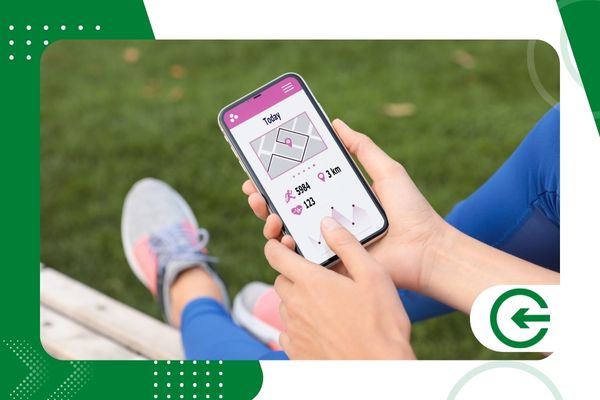
You fitness monitoring apps They are transforming the way thousands of people take care of their health, adopting consistent habits and gaining a better understanding of their own bodies.
ADVERTISING
The consistent use of these tools strengthens routines, improves physical performance, and creates genuine awareness of well-being, something essential in 2025 for those who wish to change their lives intelligently and with stability.
With the popularization of smartphones and wearables, understanding patterns of movement, sleep, calories, and daily behavior has become simpler.
This data helps with self-care and reduces the gap between intention and action, contributing to healthier choices.
Next, you will discover why these technologies have gone from being a trend to becoming indispensable allies, especially when used as part of an active and balanced lifestyle.
advertising
What are fitness tracking apps and why have they evolved so much?
You fitness monitoring apps These are digital tools that track daily metrics such as steps, calories, heart rate, sleep patterns, and activity level.
The rapid evolution of these platforms has been made possible by advancements in sensors embedded in cell phones and smartwatches.
In 2024, IDC indicated that the global wearables market surpassed 520 million units sold, demonstrating how much health devices have become part of modern life.
This expansion drives the accuracy of apps and the variety of features available.
With the integration of artificial intelligence, machine learning, and body-worn devices, these tools have achieved a level of reliability that allows the user to interpret indicators clearly and make immediate decisions about their own physical performance.
How do these apps work in everyday use?
The functionality of these apps is based on the continuous reading of motion sensors, heart rate, and biometric patterns.
The software interprets these signals and provides comprehensive reports on your body's rhythm, indicating progress, regression, or stagnation.
In practical terms, the user can open the app and view essential metrics to identify harmful behaviors, such as prolonged sedentary lifestyle, poor sleep, or stress peaks. Furthermore, many systems offer personalized recommendations to improve daily routines.
This operational simplicity facilitates adherence and reduces the need for manual monitoring, allowing self-care to happen intuitively.
+ How to activate the “digital wellbeing” function and reduce excessive cell phone use
What benefits do these apps bring to the user's health?
You fitness monitoring apps They deliver direct benefits that go beyond just exercising. They increase body awareness, improve workout consistency, and allow you to see real results over time.
Among the main benefits:
- Better control over workout intensity.
- Greater accuracy in daily calorie expenditure.
- Monitoring of weekly and monthly goals.
- Workout organization and smart reminders.
- Correlation between sleep, mood, and physical performance.
- Clear information for healthcare professionals during consultations.
These advantages make the user more responsible, committed, and aware of their wellness journey.
What data is monitored and why is it important?
The data monitored by these apps is directly linked to a person's physical and emotional behavior. They help interpret patterns that often go unnoticed in the rush of daily life.
Here are the main indicators:
| Monitored indicator | Why is it important? |
|---|---|
| Daily steps | Demonstrates overall level of activity. |
| Heart rate | It identifies effort, stress, and conditioning. |
| Sleep | It reveals energy, recovery, and quality of rest. |
| Calorie burning | It helps with weight and diet control. |
| Workout routine | It facilitates evolution and consistency. |
| Sedentary lifestyle | It helps correct long pauses without movement. |
The sum of these indicators provides a complete picture of health, enabling smarter decision-making.
When does daily use start to produce noticeable results?
The first results appear between two and four weeks, according to physical education professionals and physiologists interviewed in reports from the American College of Sports Medicine.
This period typically marks the creation of new habits and a gradual improvement in fitness.
Within a few days, the user notices increased body awareness and begins to recognize important details, such as premature fatigue, insufficient sleep, or lack of mobility.
Daily analysis builds self-confidence and reinforces small victories, such as maintaining a minimum step count or improving heart rate.
Once consistency is established, the app begins to act as a reliable map of personal progress.
+ Optical Mice vs. Laser Mice: Advantages and Differences
Which apps are considered the global benchmark in physical monitoring?
Some apps stand out for their accuracy, reliability, and compatibility with various devices. Among those most recommended by experts in the field are:
- Google Fit
- Samsung Health
- Strava
- MyFitnessPal
- Fitbit App
- Nike Training Club
These platforms offer comprehensive reports and have frequent updates based on scientific research and validation. A reliable source for exploring different options is the official website of [platform name]. Fitbit, which brings together studies and analyses on physical performance:
https://www.fitbit.com/global/us/home
What are some common mistakes people make when using fitness tracking apps?
Incorrect use of these applications can lead to confusing interpretations or a lack of real progress. Some common errors include:
- Ignore the initial sensor calibration.
- Avoid manually logging workouts when necessary.
- Setting unrealistic goals and giving up quickly.
- Trusting only the numbers presented, without observing one's own body.
- Using multiple apps at the same time can lead to discrepancies.
To avoid these problems, it is important to maintain a single main system, set realistic goals, and periodically check that the data is being calculated correctly.
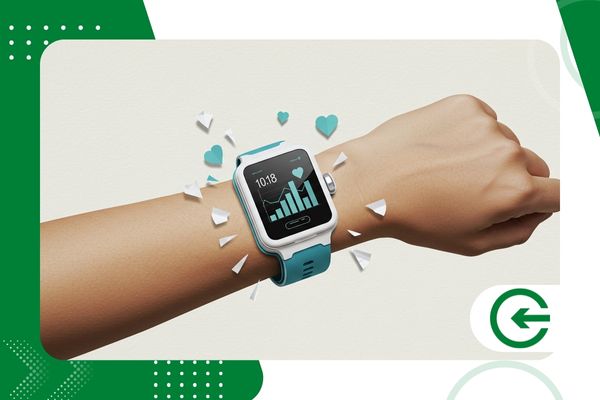
Why does using these apps help improve self-esteem?
Regular use of these apps directly impacts self-esteem because it provides a visible record of every small achievement. The user sees real progress, regardless of the pace, generating a sense of advancement.
This daily tracking reduces common frustrations with traditional training, which often doesn't seem to deliver quick results. The app records everything, from extra steps to well-executed recovery minutes.
Strengthening self-esteem contributes to greater motivation and overall improvement in behavior.
How can these apps be integrated into professional monitoring?
Monitoring by healthcare professionals and physical education instructors becomes more efficient when you provide reliable and up-to-date data. Information about sleep, heart rate, and activity level helps professionals adjust recommendations more accurately.
Many professionals use this data to detect risks, suggest changes, and continuously monitor progress. Digital integration improves the quality of consultations and strengthens the bond between the user and the professional.
This alignment also helps to avoid overexertion and maintain a healthy balance between training and rest.
Common questions
Do fitness tracking apps replace professional monitoring?
No. They complement the process, but they do not replace in-person assessments, exams, or specialized technical monitoring.
Do these apps work without a smartwatch?
Yes. Although some features rely on advanced sensors, most basic functions can be used with just a mobile phone.
How many times a day should I use the app?
Ideally, you should consult it at least twice: in the morning and at night. This way, you can compare performance and adjust your routine.
Is the data truly accurate?
The results are reliable, especially in recognized apps. However, small variations are normal and do not affect the overall monitoring.
To further expand your knowledge, you can consult the technical content of... American College of Sports Medicine, an international reference in health and physical performance: https://acsm.org/
Final considerations
You fitness monitoring apps They are indispensable allies in 2025 for those who wish to build healthy habits with consistency and clarity.
By using these tools daily, you gain a better understanding of your body, strengthen your routine, and visualize results that motivate and enhance your well-being.
With reliable data, visual tracking, and personalized guidance, the self-care journey becomes easier and more accessible.
+ Discover the best ways to save money and earn cashback.
