
Bluetooth LE Audio: What's changing in modern wireless headphones today?
The wearable device market has undergone intense transformations in the last year, redefining what we consider acceptable in personal audio.
ADVERTISING
The advance of Bluetooth LE Audio This consolidates the biggest architectural shift in wireless transmission in the last decade.
There is still widespread confusion that reduces this change to a simple battery gain, but the proposal goes far beyond that. We will discuss energy efficiency, signal synchronization, and forms of collective consumption that are finally moving from theory to practice.
Table of Contents
- What is the Bluetooth LE Audio And why did it emerge?
- How does the new LC3 codec surpass the older SBC standard?
- What are the practical advantages of Auracast technology?
- How is the battery life and response time?
- Comparative table of wireless audio generations.
- Frequently asked questions about the new standard.
What is the Bluetooth LE Audio And why did it emerge?
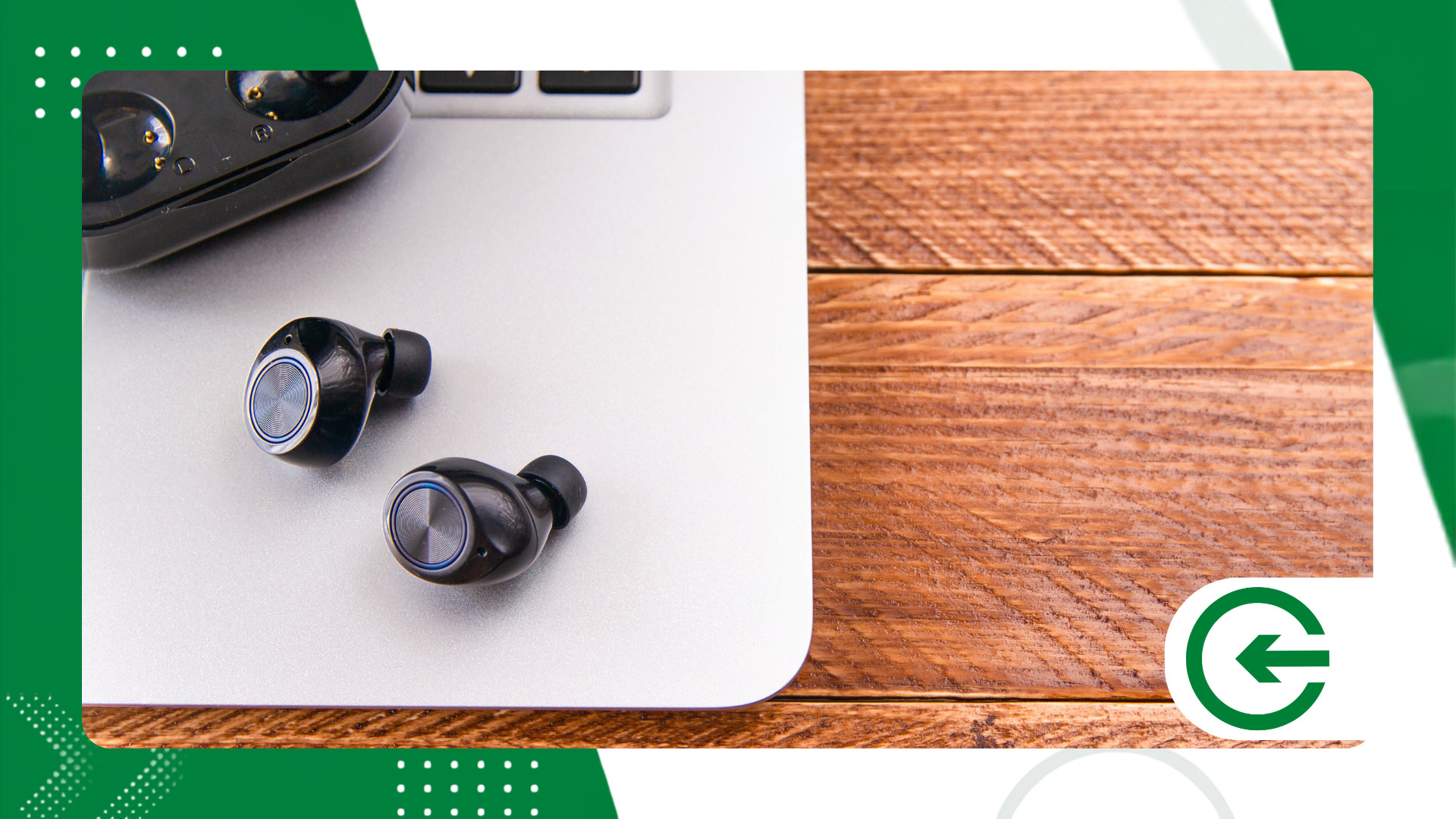
Classic Bluetooth was designed in an era of simple needs: pairing a cell phone with mono headphones or a portable speaker. As our habits shifted to continuous streaming, the original engineering began to show clear signs of exhaustion.
advertising
The arrival of Bluetooth LE Audio It resolves historical bandwidth and power consumption bottlenecks without requiring software tricks. The new architecture runs on low-energy radio, ensuring stability where the old standard stumbled.
For years, sending stereo audio to TWS earphones required a workaround invisible to the user: one side received the signal and retransmitted it to the other. This uneven process drained the battery faster on one side and created annoying little delays.
Now, independent isochronous streams deliver sound directly from the source to each side of the headphones simultaneously. This precise synchronization eliminates that annoying mismatch between image and speech in videos or games.
What is the real impact of technology on the accessibility of hearing aids?
The true revolution in wireless audio lies not only in the consumption of entertainment, but in the democratization of hearing health.
For decades, assistive transmitters for hearing aids maintained prohibitive costs and required closed ecosystems, isolating users from public environments.
With the advancement of the new standard, native support for direct transmissions eliminates the need for expensive adapters or complex intermediaries.
The change transforms ordinary headphones and medical prostheses into universal receivers, integrating people with hearing loss into classrooms, cinemas, and stations without additional costs.
++ How to protect your cell phone using remote anti-theft locking.
How does the new LC3 codec surpass the older SBC standard?
At the heart of this restructuring is the Low Complexity Communication Codec (LC3)It retires the old SBC, a Jurassic standard that compressed the signal by truncating essential frequencies.
| Technical Resource | Bluetooth Classic (SBC) | Bluetooth LE Audio (LC3) |
| Typical Bit Rate | 328 kbps | 160 kbps |
| Average Latency | 100 ms to 200 ms | 20 ms to 30 ms |
| Multi-stream transmission | Not natively supported. | Supported with synchronization |
| Energy Consumption | High | Reduced by up to 50% |
With less data cluttering the radio frequency, the processor works smoothly without overheating or wasting unnecessary power. In practice, the music gains body in the bass and clarity in the treble, even on modest connections.
This optimization also shields the signal in environments saturated with Wi-Fi networks, such as offices and public transport. The codec better tolerates temporary packet loss, preventing those annoying stutters in the middle of your playlist.
What is the real change in the day-to-day audio experience?
The immediate perception when using this technology in everyday life goes beyond the technical specifications of the laboratory.
The listener perceives an unprecedented sonic consistency when walking through dense urban centers, places where magnetic interference often disrupts the connection.
This signal stability transforms the user's relationship with their devices during intensive routines.
The transition between listening to a recorded lecture, answering an emergency call, and watching a video occurs without the freezes or one-sided disconnections so common in the previous standard.
The practical impact translates into fewer unwanted interruptions and seamless integration with the surrounding digital ecosystem.
This is a silent improvement in usability, where the technology no longer requires constant adjustments and starts working as it should from the beginning.
++ Fiber optic internet for homes: advantages and precautions
What are the practical advantages of Auracast technology?
The most fascinating unfolding of Bluetooth LE Audio It goes by the name Auracast. The concept resembles the operation of a traditional FM radio station, but operating within modern digital transmission.
A single source can transmit audio to hundreds of headphones or hearing aids simultaneously without loss of quality. Airports, gyms, and cultural venues are beginning to use the technology to replace noisy loudspeakers with direct transmissions.
Tuning into the TV at a departure terminal has become a simple process, without the need for manual pairing. Just select the broadcast on your mobile phone with the same ease with which you choose an open Wi-Fi network.
There is something truly transformative about how this simplifies media sharing among friends and improves accessibility. People with hearing aids finally gain direct access to public sound sources without background noise.
What is the real impact of Bluetooth LE Audio on accessibility and public spaces?

The most profound transformation brought about by Bluetooth LE Audio It goes beyond simply improving the sound quality of our everyday headphones. It lies in democratizing access to sound in collective and urban environments.
Spaces such as airports, stations, museums, and auditoriums have always grappled with the challenge of noise pollution and inefficient communication.
With open and direct transmissions, boarding announcements and audio guides reach the user's ear directly without background noise.
This change radically alters the daily routine of those who use hearing aids or cochlear implants.
The technology eliminates the need for expensive and complex intermediate equipment, integrating assistive audio directly into urban infrastructure.
The ecosystem transforms accessibility into a native feature of public space, eliminating historical barriers to coexistence.
Connecting to the sound of an event or a public screen becomes a simple, fluid, and truly inclusive act.
++ Fast charging on mobile phones: current myths and truths.
How is the battery life and response time?
The lower circuitry allows for the creation of lighter headphones without sacrificing battery life.
For mobile gamers, dropping latency to the 20-millisecond range is a game-changer. The haptic and audio response finally aligns, eliminating the need for dedicated USB adapters.
Voice calls in noisy environments also benefit from the protocol's optimized return channel. The voice comes through more clearly while the noise-canceling algorithm uses less energy.
The industry's transition is not a distant promise, but an irreversible path that already dictates the pace of releases. Updating the device ecosystem means adopting a more rational and integrated audio infrastructure.
To keep up with the technical details and evolution of global certifications, it is worth consulting the reports from... Bluetooth SIG.
Frequently Asked Questions (FAQ)
Will my old headphones work with the new standard?
Older headphones still work via Classic Bluetooth, but they don't take advantage of the LC3 codec or Auracast.
Do I need to change my phone to use this feature?
Yes, the smartphone needs to have hardware and software support for the protocol, which is present in recent models.
Does Auracast use up my mobile data?
No, the signal is transmitted via Bluetooth radio directly from the local transmitter without using internet data.
