
How to use magnetic portable chargers in everyday urban life.
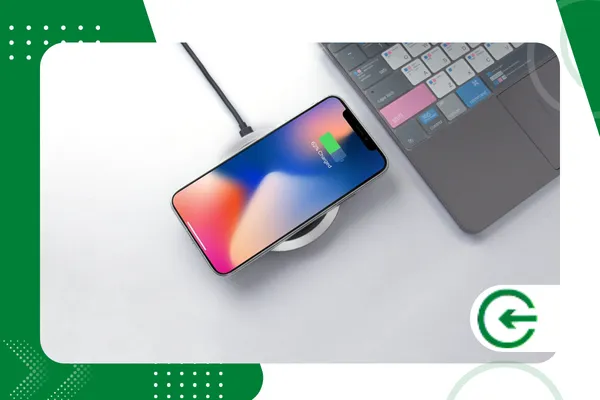
You magnetic portable chargers They changed the dynamics for those who live rushing from one place to another in big cities.
ADVERTISING
That old scenario of getting stuck against a wall or hunting for a tangled cable at the bottom of your backpack has simply become obsolete with the arrival of wireless induction.
Urban life doesn't forgive distractions, and running out of battery in the middle of the afternoon is almost like forced social isolation.
That's why this technology has gone from being a mere aesthetic whim to becoming a real tool for urban survival.
If you want to understand how this innovation works in practice, as well as learn how to choose the right model for your routine, this guide demystifies the subject without any beating around the bush. See what we've prepared:
advertising
- The real mechanism behind magnetic induction.
- Practical impact on street mobility and safety.
- Technical criteria to avoid mistakes when buying.
- Comparative table of weight, capacity and delivery.
- Simple habits that extend the lifespan of your device.
- Direct answers to the most common questions.
How does the technology behind magnetic charging work?
Ultimately, it all comes down to pure physics: copper coils generate an electromagnetic field that transfers energy from one base to another.
You magnetic portable chargers They perfected this concept by embedding a ring of magnets that align the two devices with millimeter precision.
This precise fit solves the biggest problem with older wireless chargers: the wasted energy caused by misalignment.
When the phone is moved from its proper place, it heats up more and charges less, something that Apple's MagSafe standard has firmly resolved with physical stability.
Today, this ease of use is no longer exclusive to a single brand. The market has adopted the global Qi2 standard, meaning that the Android ecosystem now enjoys the same mechanical stability and optimized loading speed in daily tasks.
What are the main advantages in everyday urban life?
The freedom to eliminate cables that break every three months is the most visible benefit here. By coupling the magnetic portable chargers Mounted directly on the back of the smartphone, the device remains fully functional for paying for a coffee by contactless payment or checking the subway map.
Anyone who uses public transportation knows the value of keeping one hand free while the other holds the handrail.
Wires hanging from crowded train cars are an invitation to accidents, bumps, and even thefts due to sheer distraction amidst the pushing and shoving.
There's also the time factor, the scarcest asset in big cities. Putting your phone on the charger while walking to a meeting is much more natural than stopping everything to hunt for chargers in your bag.
How do I choose the ideal model for my smartphone?
The first step is to look in your pocket — literally. Not all cell phones have native compatibility with rear magnets, which requires the use of adapted cases that have an integrated magnetic ring to ensure the necessary support.
Next, assess the balance between weight and battery life, measured in milliampere-hours (mAh). 5,000 mAh models are discreet and don't weigh you down, while 10,000 mAh models sacrifice lightness to deliver more than one full charge.
Output power, measured in Watts (W), dictates the pace of your charging routine. To check the official technical specifications that govern this market, it's worth visiting the website of [website name/source]. Wireless Power Consortium, the global authority behind this technology.
Comparative table: Capacity, weight and actual efficiency
Choosing the right accessory involves understanding that more power almost always means more weight to carry in your hand.
+ How AI-powered navigation apps help avoid traffic and delays.
| Capacity (mAh) | Average Weight (g) | Wireless Power (W) | Full Loads (Average) | Urban Use Profile |
| 5,000 mAh | 120g to 140g | 7.5W to 15W | 1 charge (up to 80%) | Light use, quick outings |
| 10,000 mAh | 200g to 230g | 15W | 1.5 to 2 charges | Heavy use, workday |
| 20,000 mAh | 350g to 400g | 15W | 3 to 4 charges | Long trips, shared use |
What precautions will ensure the accessory's durability?
Heat is the worst enemy of the lithium cells that make up these external batteries. Avoid forgetting the magnetic portable chargers exposed to the sun in the car seat or near surfaces that radiate high temperatures during the day.
Small metallic debris or dirt that sticks to the magnets can scratch the back of the phone or create a physical barrier that impairs induction.
A quick wipe with a dry cloth solves the problem and maintains the efficiency of the coupling.
When recharging your device at home, use reputable power adapters. Generic and low-quality chargers send unstable currents that degrade the internal protection chips prematurely.
+ Smart reminder technology for an organized routine.
How can I optimize charging speed for everyday use?
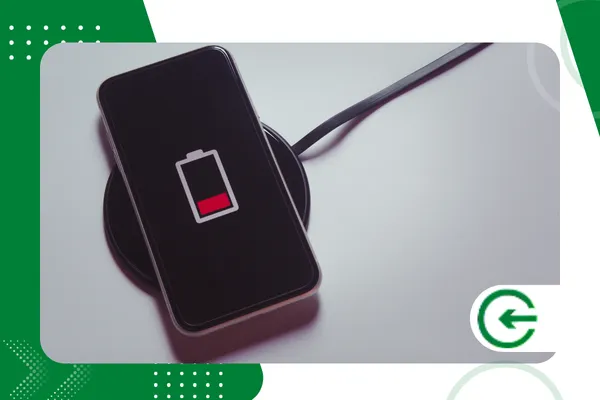
To get the most out of wireless transmission, avoid using excessively thick cases or those with metal embellishments.
Distance weakens the magnetic field, and unsuitable materials cause the assembly to heat up unnecessarily, delaying the process.
Activating the phone's power saving mode while it's charging helps speed up battery recharging.
Running demanding games or using GPS with the screen brightness at maximum creates a thermal battle that is harmful to the device.
Ideally, you should perform preventative recharges and not wait for your smartphone to reach the dreaded zero percent battery.
Maintaining an intermediate charge level puts less stress on the chemical components of the phone and the accessory itself.
What security features are integrated into these devices?
Major brands are investing heavily in internal chips that cut off the power supply if the system detects sudden temperature changes.
This automated thermal management prevents accidents and preserves the physical integrity of the person using the phone.
There are also protections against short circuits and systems that recognize foreign objects, preventing keys or coins from accidentally activating the coil.
This invisible engineering justifies the price difference between established products and cheap imitations.
Buying accessories certified by official agencies ensures that these stress tests were actually performed.
Saving a few pennies on counterfeit products can end up costing you the price of a damaged, top-of-the-line smartphone.
+ How smart doorbells with cameras increase security.
The current scenario and the future of recharging in cities.
The use of magnetic portable chargers It shaped a new way of dealing with daily technological dependence.
No longer being dependent on fixed power outlets in airports or coffee shops brings a psychological gain in autonomy that is difficult to measure.
Making the right choice requires only a careful look at the tripod, considering its weight, actual capacity, and the manufacturer's origin.
Taking care of the accessory with simple habits ensures that it functions well for many charging cycles.
The trend is for these devices to become even thinner and more integrated into the furniture of smart cities.
To better understand the safety and certification standards required in the country, you can consult the technical guidelines of... Anatel.
FAQ — Frequently Asked Questions
Do magnetic portable chargers damage cell phone batteries?
No, current lithium-ion batteries do not retain this type of memory. The device's intelligent circuitry cuts off the current as soon as the process is complete, protecting the energy cells from overcharging.
Can I use the magnetic charger with any phone case?
No, very thick cases or cases without an internal magnetic ring will reduce the magnets' attractive force. To ensure the accessory stays secure and doesn't fall, use cases specifically designed for this technology.
Is it normal for a smartphone to get hot during wireless charging?
Yes, a slight warming is part of the magnetic induction energy exchange. The devices have internal sensors and, if the temperature rises beyond the safe limit, they automatically reduce the charging speed.
Can I charge other devices besides my cell phone with this charger?
Yes, as long as the other device is compatible with the Qi wireless charging standard. It's very common to use the magnetic base to charge modern wireless earphone cases.
