
Advantages of having cards with integrated points programs.

Maximize purchasing power by using cards with integrated points programs It is one of the smartest financial strategies available in 2025.
Adverts
Money that sits idle loses value, but planned spending can yield tangible benefits for the modern consumer.
Ignoring these programs means leaving money on the table every month. Banks and financial institutions compete aggressively for customers, offering increasingly attractive and personalized rewards for different consumer profiles.
The complexity of these systems often puts the average user off. However, understanding the mechanics behind the scoring system transforms routine expenses, such as groceries and fuel, into international travel or high-tech products.
In this article, we demystify how these financial tools work. You will learn how to transform your credit card into a powerful ally, avoiding abusive fees and focusing exclusively on the return on your personal investment.
advertising
Summary
- What are cards with integrated points programs and how do they work?
- What are the main real financial benefits?
- How does currency conversion and the "bank dollar" work?
- What is the difference between Cashback and Airline Miles?
- Comparative Table: Potential Annual Return
- How to accelerate points accumulation in 2025?
- Why is the validity of points a decisive factor?
- Conclusion
- FAQ (Frequently Asked Questions)
What are cards with integrated points programs and how do they work?
These cards automatically link each purchase to a specific rewards system from the issuing bank.
The logic is simple: the more you use credit, the more "virtual coins" you accumulate with the institution.
Unlike regular cards, cards with integrated points programs They centralize benefits.
They eliminate the need for complicated external registrations, as joining the loyalty program usually happens when the card is activated.
Current technology allows for real-time tracking via apps. The points balance is updated a few days after the invoice payment, ensuring transparency and complete control over your accumulated digital assets.
Many consumers are unaware that these points have real monetary value. They are not just symbolic gifts, but a form of currency that can be traded, sold, or used to offset fixed costs.
+ Avoiding Mental 'Blackout': Study Strategies Focused on Performance Under Pressure
What are the main real financial benefits?
The most obvious benefit is the direct savings on travel. Airline tickets, which often fluctuate in price, can be redeemed entirely with points, freeing the traveler from high fares during peak season.
Another crucial advantage is access to exclusive experiences. Holders of these cards frequently have access to VIP airport lounges, price protection insurance, and extended warranties for electronic products purchased with the credit.
Financial protection is also an important pillar in these products.
International travel insurance, car rental coverage, and emergency medical assistance are included, saving hundreds of reais that would be spent on separate policies.
How does currency conversion and the "bank dollar" work?
Most Brazilian reward programs still link points to the US dollar. This means that converting your spending in reais to points depends on the dollar exchange rate set by the issuing bank on that day.
Entry-level credit cards typically offer 1 point for every dollar spent. Higher-end segments, such as Black or Infinite cards, can offer 2.5 or even 3 points per dollar.
This mechanism requires attention to market exchange rate fluctuations. When the dollar is strong, accumulation becomes slower, requiring complementary strategies to maintain the profitability of credit card use.
Some innovative digital banks have started awarding points based on the Brazilian Real. This change simplifies the calculation for the user and protects the accumulated points against currency devaluation, making the benefit more predictable and secure.
+ Discover the best ways to save money and earn cashback.
What is the difference between Cashback and Airline Miles?
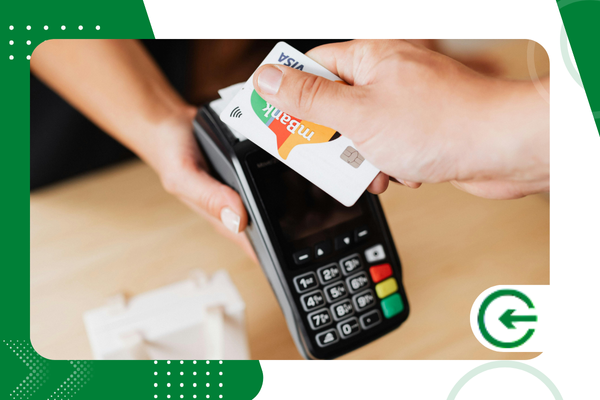
Cashback offers immediate liquidity and operational simplicity. When you pay your bill, a percentage of the amount is returned to your checking account or deducted from your next month's bill, without bureaucracy or the need for complex redemptions.
Airline miles, on the other hand, offer much greater potential for appreciation.
Using cards with integrated points programsYou can transfer points to airlines with bonuses of up to 100%, instantly doubling your assets.
The choice depends on the consumer's profile and objective. If you're looking for convenience and don't like managing deadlines, cashback is ideal. If the focus is on maximizing earnings and traveling, miles win.
Experts suggest having a clear understanding of your annual goals. Mixing strategies can dilute your earnings, preventing you from reaching the amount needed for an international trip or a significant cash withdrawal.
+ Benefits of Using QR Codes in Everyday Life
Comparative Table: Potential Annual Return
To illustrate the real impact on your wallet, we simulated the annual accumulation for a user with an average monthly expenditure of R$ 5,000.00, considering the dollar at R$ 5.00 (hypothetical scenario for calculation).
| Card Type | Score by US$ | Monthly Expense (R$) | Monthly Accumulation (Points) | Annual Accumulation (Points) | Estimated Trip Value* |
| Basic / Gold | 1.0 point | R$ 5,000.00 | 1.000 | 12.000 | Short National Section |
| Platinum | 1.5 points | R$ 5,000.00 | 1.500 | 18.000 | National Middle Section |
| Black / Infinite | 2.2 points | R$ 5,000.00 | 2.200 | 26.400 | National Round Trip |
| Strategic | 2.2 points + Bonus 100% | R$ 5,000.00 | 4.400 | 52.800 | Round trip to South America |
*Estimate based on promotional redemption tables, subject to availability and change.
Note that the bonus transfer strategy (Line “Strategic”) doubles the final result. The same spending generates twice as many trips simply by knowing the right time to transfer the accumulated points.
How to accelerate points accumulation in 2025?
The best tactic is not to spend more, but to spend better. Use the "shopping links" or partner stores within your bank's app, which offer point multipliers on online retail purchases.
Buying a new smartphone during a "10 points per real" promotion generates a massive accumulation of points. A purchase of R$ 3,000.00 can yield 30,000 points at once, exceeding an entire year of everyday spending.
Concentrate all possible expenses on credit, from coffee to utility bills. There are apps that allow you to pay water and electricity bills with your card, generating miles on expenses that previously didn't earn points.
Keep an eye out for anniversary promotions from loyalty programs. On these dates, bonuses for transferring and purchasing points are usually the most aggressive of the year, maximizing your results.
Why is the validity of points a decisive factor?
Many cards with integrated points programs They have expiration rules. Generally, points expire after 24 months, which can be frustrating for those who slowly accumulate points for a larger, long-term goal.
High-end credit cards are phasing out this practice by 2025. The market trend is to offer points that never expire to premium customers, guaranteeing complete freedom to plan trips without the pressure of the clock.
Losing points due to expiration is a direct financial loss. It is vital to monitor the validity of points monthly or opt for institutions that offer the permanence of points as a standard benefit of the card agreement.
If your points are about to expire, transfer them immediately. Even without bonuses, it's preferable to allocate the balance to an airline loyalty program rather than allowing the bank to zero out your earned points account.
Conclusion
To have cards with integrated points programs Having it in your wallet is essential for a smart financial life.
They transform the liability of monthly expenses into assets of leisure, experiences, and monetary return.
The key to success lies not only in high income, but in efficient management. Choosing the right card, concentrating spending, and taking advantage of bonus periods creates a virtuous cycle of benefits.
Assess today whether your current card rewards your loyalty. The financial market is vast and competitive; remaining with an outdated product is a choice that will cost you dearly over the years.
To deepen your knowledge about banking consumer rights and fees, consult reliable sources. Visit the Serasa website for tips on how to improve your credit score and get better credit cards.
FAQ (Frequently Asked Questions)
1. Do you need a high income to have credit cards that earn points?
Not necessarily. There are entry-level and mid-range cards that offer points, although the conversion rate is lower. Building a good credit history allows for gradual upgrades to better categories.
2. Is it worth paying the annual fee for these cards?
Yes, if the benefits outweigh the cost. If the annual fee is R$ 500.00, but the card generates R$ 1,500.00 in travel or cashback, the fee is mathematically justified by the profit obtained.
3. Can I sell the points I've accumulated?
Directly to the bank, generally not. However, you can transfer your points to airlines and, through specialized intermediary websites, legally and safely trade these miles on the secondary market.
4. Which is better: points or cashback?
It depends on your profile. Cashback is guaranteed, fixed, and effortless. Points require study and strategy, but have a much higher appreciation potential, especially for redeeming business class tickets.
5. Are points subject to income tax?
Currently, the accumulation and personal use of points does not generate direct taxation. However, the frequent sale of miles at a profit may attract the attention of the tax authorities, requiring monitoring by a specialized accountant.
