
Apps to create weekly menus based on the foods you have
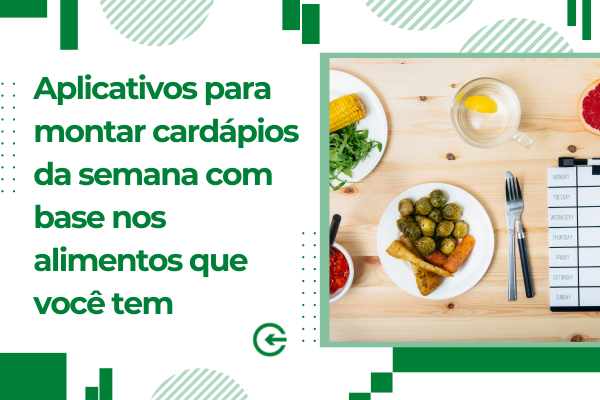
Have you ever heard of apps to create weekly menus based on what you already have in the fridge?
ADVERTISING
If you haven't already, it's time to discover a smart, practical and economical way to transform your eating routine.
These apps not only reduce waste, they also help you save time, improve your diet and rediscover ingredients that were already forgotten at the back of the pantry.
In this content, we will explore why meal planning with technology has become a transformative habit in many homes.
You will understand how apps work, the direct impact they have on your health and your wallet, and how small actions can generate big results week after week.
advertising
Why planning your weekly menu with technology is a game changer
In times when convenience has become a luxury good, knowing in advance what you're going to eat may seem simple — but it's revolutionary.
And when you realize that there are tools that make this planning easier, the game changes completely.
A survey of the Brazilian Nutrition Association (Asbran), published at the end of 2024, showed that 47% of Brazilians say they eat better when they plan their meals in advance, especially when using digital resources to do so.
This fact is not surprising: by organizing our diet, we avoid making impulsive choices, reduce our consumption of ultra-processed foods and gain clarity about what is actually going on our plate.
More than convenience, it's about control. Being aware of the foods available at home and transforming them into varied, nutritious dishes that align with your dietary preferences is empowering. And
It is exactly this autonomy that apps to create weekly menus provide.
Read too: Real benefits of using dark mode on all your appsyou
When daily improvisation becomes a silent villain

You wake up, open the fridge, find a mishmash of loose items—a wilted carrot, a piece of cheese, two eggs—and think, “What can I do with this?”
The answer, almost always, is a hasty choice or, worse, a delivery. And so the cycle repeats itself.
This type of constant improvisation is costly, not only in dollars, but in nutrition, time and mental health.
Thinking about every meal, every day, from scratch, requires unnecessary mental effort. And when we outsource this decision to a well-configured app, life changes to a whole new level.
It's not about losing freedom, but about gaining autonomy with intelligence. Weekly planning even allows you to improvise with more strategy.
You already have a map, you know what's available, and you can adjust routes as the week progresses.
Other readers also read: Apps that predict your mood based on daily interactions and tone of voice
The secret is in what you already have
One of the biggest misconceptions about eating well is that you need to buy more. In fact, most balanced and delicious meals can be made with the ingredients you already have on hand.
The problem is not the lack of food, but the lack of ideas.
This is where the apps to create weekly menus become true allies.
They cross-reference items from the fridge and pantry with suggestions for practical, balanced and creative recipes.
In seconds, you discover that that stale rice can be turned into a baked dumpling with herbs and cheese; that forgotten beetroot makes a colorful vegan burger; and that eggs that are almost out of date can be made into a frittata with the leftover vegetables.
The app works like a private chef, who looks at your ingredients and responds: “with this here, you can make this, this and that”.
This customization is a game changer for those who want to save money, avoid waste and eat better without any effort.
+ What is the best maps app for driving in 2025? Waze vs. Google Maps
The relationship between planning and emotional well-being
We often underestimate the psychological impact of eating disorders.
When you get to the end of the day without knowing what you're going to have for dinner, hungry and without energy, the tendency is to make quick choices, which aren't always healthy.
Eating stops being a pleasurable moment and becomes a stressful obligation. In the medium and long term, this cycle affects not only the body, but also the emotions.
With planning, this weight disappears. Not only do you know what you're going to eat, but you also have everything ready or prepared, reducing the friction between desire and action.
This mental comfort is an invisible but valuable gain.
In fact, recent studies indicate that the habit of cooking with planning can be associated with a reduction in food anxiety, especially in people who work from home or face intense workdays.
It's a detail that makes a big difference.
What are the best apps for creating weekly menus?
The variety of options available today allows anyone, even without experience in the kitchen, to organize their meals with ease.
Many apps to create weekly menus were developed with real everyday difficulties in mind: little time, few ingredients and a lot of indecision.
Among the most efficient is the Yummly, which stands out for its intuitive interface and personalized suggestions.
It learns from your past choices, respects dietary restrictions, and lets you search for recipes based on ingredients you already have.
It's as if it anticipates what you'd like to eat — and even tells you exactly how to make it.
Other options
Another application with similar functionality is SuperCook, free and extremely practical.
Simply enter the items available in your kitchen, and the app displays a list of possible recipes, filtered by categories such as “quick”, “vegetarian”, “with few ingredients” or “to reuse leftovers”.
It is a tailor-made solution for those who want to avoid waste and improvise intelligently.
O BigOven also deserves a mention. It allows you to enter up to three ingredients and receive instant suggestions of what to prepare with them.
Additionally, it offers integration with shopping lists, storage of favorite recipes and meal planning for the entire week.
For those who like inspiration with a more social touch, Cookpad Brazil is ideal.
In addition to bringing together thousands of homemade recipes tested by other users, it also allows you to share your own creations and exchange ideas with people who have similar eating profiles to yours.
This creates a welcoming and motivating sense of community.
Another app that has been growing is Mealime, especially useful for those looking for a healthier diet.
It suggests complete menus based on nutritional preferences, preparation time and number of servings. Great for those who want to eat well, even with a busy schedule.
Finally, you can't ignore the Tasty, which, in addition to practical recipes with step-by-step videos, allows you to filter suggestions by available ingredients, time and even skill level.
The difference here is the visual experience, which makes the cooking process lighter and even fun.
The choice between these applications depends on your profile: some are more direct, others more personalized.
But they all share a common mission — to transform what you have at home into practical, nutritious and creative meals, without complicated requirements or fancy ingredients.
Planned eating is synonymous with savings and sustainability
Another little explored but extremely relevant point is the environmental impact of a poorly planned eating routine.
Household waste accounts for a large portion of the food that never makes it to the plate. And, as we have seen, Brazil is among the countries that waste the most food.
By planning your menu intelligently, you reduce this impact. Use even the stems of vegetables, use ripe fruit for natural sweets, freeze leftovers and reheat them with flavor.
Therefore, what would previously go to waste becomes nutrition.
And it doesn't stop there. By buying less, more assertively, you also save fuel, reduce the use of disposable packaging and consume more consciously.
All this without sacrificing flavor.
If you want to delve deeper into this topic, the FAO (Food and Agriculture Organization of the United Nations) maintains a updated report on food losses and waste in the world, with detailed data on the impacts and viable solutions.
Convenience that fits your budget and your time
You might be thinking, “But will I have time to use these apps on a daily basis?” The answer is: you don’t need much.
With 15 to 20 minutes on Sunday afternoon, you can already put together a menu for Monday through Friday, list the necessary items and even separate the food for the week.
It may seem like a lot of work at first, but it quickly becomes a habit. And the time and money saved makes up for any initial effort.
Additionally, many apps have free versions or affordable plans, making these tools easy to access even for those on a budget.
When the kitchen becomes a laboratory of possibilities
Meal planning also brings back the joy of cooking. When you know what you’re going to make and have the right ingredients, cooking stops being a chore and becomes a creative and rewarding experience.
You discover new spices, reuse ingredients in unusual ways and, often, see value even in foods that you previously despised.
It’s like opening a cupboard and instead of seeing scarcity, you see possibilities. A simple cabbage can become a Korean salad, a wrap filling or a crunchy side dish.
This type of more playful relationship with food not only improves your physical health, but also strengthens your self-esteem and your connection with your own routine. After all, eating well is an act of self-love.
Frequently Asked Questions
1. Do the apps work even with few ingredients available?
Yes. Most allow you to create menus using three or four items. They adapt recipes and suggest substitutions, which is ideal for the end of the month or when the fridge is empty.
2. Is it possible to integrate with online shopping apps?
Some apps, such as Mealime and Yummly, already offer integration with online markets and ingredient delivery, further optimizing planning.
3. Do I need to be organized to use these apps?
In fact, they help those who aren't. With just a few minutes a week, you can already feel the impact on organizing your eating routine.
4. Are the apps suitable for people who live alone?
Especially! They help to avoid waste and suggest appropriate portions. Perfect for those who want practicality without falling into food monotony.
