
Apps with diction and public speaking exercises with automatic correction.
Finding good apps with diction and public speaking exercises It transforms the way professionals improve their verbal communication through instant feedback and bioacoustic analysis.
ADVERTISING
Artificial intelligence has advanced to the point of processing phonetic nuances, identifying speech impediments, inadequate speech rhythm, and articulation errors in real time during training sessions.
This technology democratizes access to high-performance vocal training, eliminating financial and geographical barriers for those seeking to speak clearly in public.
Summary
- How technology analyzes and corrects your voice in real time.
- What are the best tools for training in 2026?
- How to integrate daily practice into your professional routine.
- Technical comparison of system features and accuracy
- FAQ: Frequently Asked Questions about Digital Vocal Training
- The future of professional communication guided by AI.
How does the technology analyze and correct your voice in real time?
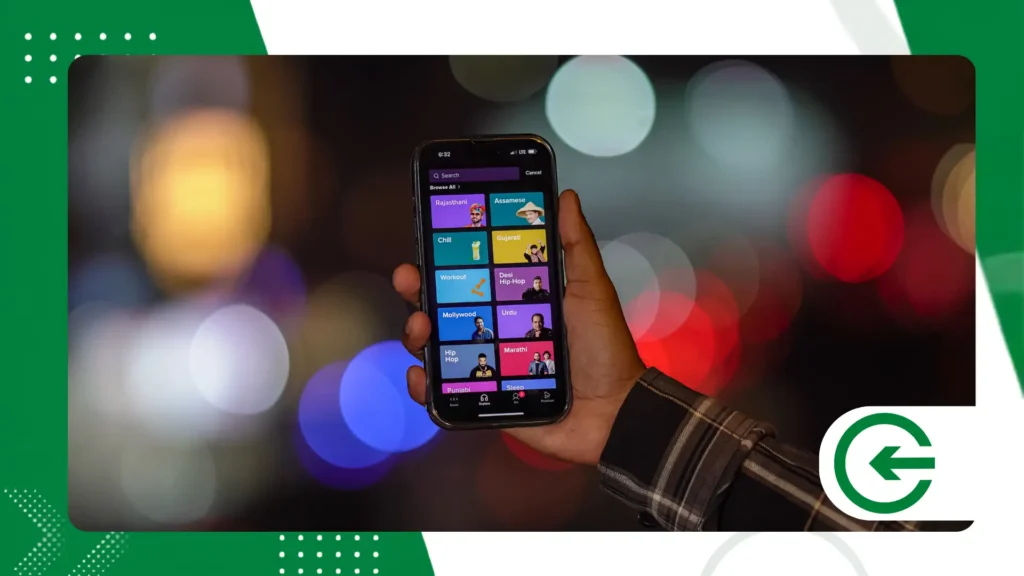
Modern speech recognition systems use deep neural networks trained with thousands of hours of audio to map the user's phonetic clarity.
The algorithms capture the fundamental frequency of the voice, isolating external noise to measure the accuracy of consonant pronunciation and vowel sustain.
advertising
Automatic correction occurs when the software compares the spectrogram of your speech with acoustically ideal models, instantly indicating prosodic deviations.
There's something fascinating about how modulation and rhythm metrics detect hesitations, unnecessarily long pauses, and that almost unconscious use of markers like "you know" or "like."
Advanced platforms offer visual representations of sound waves, allowing for adjustments to vocal opening and projection without the need for an in-person speech therapist.
The precision of apps with diction and public speaking exercises It depends on the quality of the smartphone's microphones and the initial calibration of the audio recording.
This data-driven approach transforms the speaker's perception of their own voice, accelerating learning and establishing cleaner articulation patterns.
Constant monitoring generates daily reports that detail the evolution in speech rate, calculated in words per minute throughout the sessions.
What are the best training options for 2026?
Tools like Yoodli and Orai lead the global market by offering detailed diagnostics based on natural language processing and integrated computer vision.
Yoodli stands out for its analysis of nonverbal cues during virtual presentations, identifying eye contact, microexpressions, and gestures in addition to purely auditory aspects.
For those looking to train specific articulation in Portuguese, local solutions combine tongue-twister challenges with algorithms focused on regional accent and phonetics.
The accessibility of these tools allows you to refine complex speeches before crucial meetings, corporate presentations, sales pitches, or demanding academic panels.
Use apps with diction and public speaking exercises It ensures a safe environment for making mistakes, testing variations in tone, and adjusting the flow of the message.
Educational platforms also integrate these resources to help professionals overcome their fear of public speaking through gradual simulated exposure.
Choosing the ideal tool is often misunderstood when the focus is solely on price, and not on the usability of the interface and the depth of the reports.
It's worth trying out the free versions to assess whether the software ecosystem truly fits your daily vocal development needs.
Where can I find reliable metrics about my vocal performance?
Reliable metrics require validated tools that follow acoustic engineering guidelines to ensure that the data accurately reflect user performance.
The speech rate, for example, should range between 120 and 150 words per minute to maintain the listener's interest and comprehension.
Monitoring the variability of the fundamental frequency avoids monotony, which is precisely the most common and devastating mistake in corporate and academic presentations.
Analyzing the time spent in silent pauses versus filled pauses bluntly reveals the speaker's true level of mastery over the presented content.
Intuitive dashboards organize this data into time-series graphs, making it easy to visualize weekly progress and identify bottlenecks in vocal development.
Understanding these numbers eliminates the subjectivity of training, replacing guesswork with clear indicators of clarity, rhythm, and impact in the message conveyed.
Consistency in checking these metrics strengthens the practitioner's self-confidence, allowing for conscious adjustments during real-life situations involving speaking under pressure.
++ More efficient internet monitoring applications
Comparison of system features and accuracy
| Application | Main Focus | Automatic Correction | Portuguese Support | Feedback Accuracy |
|---|---|---|---|---|
| Yoodli | Discourse and Gesture Analysis | Real-time + Post-workout | Partial (Multilingual AI) | High (Advanced AI) |
| Pray | Rhythm and Speech Habits | Instant | Yes | Medium-High |
| Speeko | Presentation Practice | Post-audio reports | No (English only) | High |
| PromptSmart | Vocal Reading and Projection | Voice Synchronization | Yes | High |
The table above demonstrates how the technologies differ in terms of specialization, native language support, and the type of feedback offered to the user.
Investing in the right software requires determining whether your main goal is to eliminate verbal tics or enhance your on-screen presence.
You apps with diction and public speaking exercises They combine different algorithms to deliver a complete overview of the user's expressive capacity in tests.
When analyzing the comparative chart, it becomes clear that the convergence between AI and acoustic analysis offers alternatives adapted to each professional learning profile.
The integration of visual and auditory feedback maximizes the retention of corrections, facilitating the automation of new phonetic habits acquired during training.
Testing different platforms ensures you find the ideal usability to support the habit of daily practice without technical frustrations in the process.
++ Apps for creating baby registry lists without forgetting items.
How can you integrate daily training into your routine?
Creating a sustainable habit requires short, focused sessions, prioritizing daily frequency over long, sporadic workouts throughout the week.
Dedicate ten minutes every morning to vocal warm-up and guided reading on apps to produce visible results in just a few weeks of practice.
Take advantage of the moments leading up to important meetings to conduct quick checks on your pace and clarity of articulation using your preferred tool.
Recording real-world simulations provides the best material for analyzing automatic correction algorithms in test environments.
By applying the exercises recommended by apps with diction and public speaking exercisesFocus on diaphragmatic breathing to support voice projection.
Proper postural alignment enhances microphone pickup and improves vocal resonance, resulting in higher scores on technical assessments.
Monitor the evolution of the data over the months to adjust the difficulty levels of the exercises proposed by the vocal training software.
Celebrating small improvements in speed control and reduced hesitation keeps motivation high for achieving mastery in public speaking.
++ Apps for accurately measuring walking speed
What is the impact of artificial intelligence on the future of public speaking?
The evolution of natural language models integrated with voice analysis will enable simulations of reactive virtual audiences in real time.
The technology will be able to measure the level of audience engagement based on the intonation, emotion, and argumentative structure used by the speaker.
Predictive systems will indicate the exact points in the speech where the listeners' attention tends to drop, suggesting changes in pace preventively.
This deep personalization will make learning verbal communication extremely efficient, reducing the time needed to achieve fluency in public.
There is something liberating about the democratization of these tools, as they empower professionals from all fields to develop critical leadership skills.
The fusion of computer science and speech-language pathology opens new frontiers for vocal rehabilitation and high-level executive training.
Embracing this technological transformation early on guarantees a significant competitive advantage in a job market focused on clear communication.
Mastering digital verbal enhancement tools sets the new standard of excellence for speakers, executives, educators, and digital creators.
Frequently Asked Questions (FAQ)
Do apps completely replace a speech therapist?
No. Software programs act as excellent tools for training and daily maintenance, but they do not diagnose or treat vocal pathologies or complex anatomical alterations.
How long does it take to notice the first results?
By practicing for about ten minutes daily, focusing on the indicated corrections, improvements in clarity and rhythm are usually noticed within three to four weeks.
Is it necessary to use professional microphones during exercises?
The microphones built into modern smartphones are sufficient for analysis, but headphones with a built-in microphone reduce noise and improve accuracy.
Do these apps work for people who are very afraid of public speaking?
Yes. Training in a private environment with artificial intelligence reduces judgment anxiety, serving as a safe intermediate step until real-world exposure.
What is the difference between diction training and public speaking training?
Diction focuses on the clarity of articulation of sounds and words, while oratory encompasses the structuring of speech, persuasion, rhythm, and stage presence.
Conclusion
The evolution of apps with diction and public speaking exercises This represents a milestone in the democratization of personal development and high-performance communication.
Adopting artificial intelligence support to monitor clarity, pace, and speech habits significantly accelerates the individual learning process.
The precision of acoustic analysis combined with the convenience of a smartphone allows you to transform sporadic workouts into a consistent and measurable daily habit over time.
Professionals seeking to stand out in the market find in these digital tools an accessible path to building a confident, clear, articulate, and persuasive oratory style.
To deepen your understanding of the safe use of emerging technologies and personal data in digital training, consult the AI ethics guidelines from [organization name]. United Nations Educational, Scientific and Cultural Organization (UNESCO).
