
How to use intercity transportation apps to travel better.
Traveling between cities has changed radically with the advancement of smartphones, transforming the use of intercity transportation apps It is the top choice for those seeking to escape the stress and exorbitant costs of road trips.
ADVERTISING
Whether it's for an urgent work commitment or that weekend getaway, mastering these digital platforms transforms tiring commutes into optimized routes, combining real savings with complete predictability before departure.
In the following lines, you will understand the dynamics of these tools, discovering practical tips for choosing the best options, traveling without setbacks, and making the most of regional mobility technology today.
Summary
- What are intercity transportation apps and how do they work?
- What are the main intercity transportation apps available in Brazil?
- How can you save money and ensure safety when using mobility platforms?
- Comparison of the main regional transport options
- Conclusion
- Frequently Asked Questions (FAQ)
What are intercity transportation apps and how do they work?
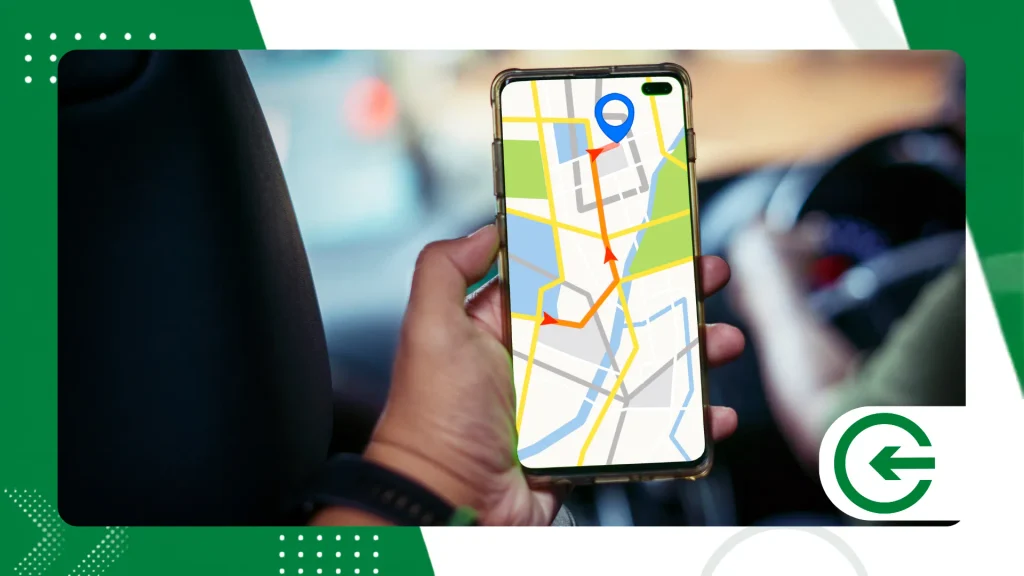
You intercity transportation apps They operate as digital bridges between passengers and partner drivers or charter companies, simplifying travel between neighboring cities directly through the mobile phone screen.
This technology integrates real-time geolocation and intelligent algorithms to enable flexible scheduling, seat selection, and instant payments, eliminating the unpleasant routine of facing physical queues at bus station ticket offices.
advertising
The ecosystem is essentially divided between ridesharing and collective bus chartering, two operational models that redistribute fuel and toll costs to lower prices in the traditional market.
In the contemporary Brazilian scenario, the regulatory consolidation of this sector has brought clear regulatory guidelines, imposing operational criteria that protect users without stifling innovation in private routes and charter services.
To keep up-to-date with the guidelines and legal framework of the land transport sector in the country, it is worth checking the official website of... Ministry of Transport.
At the final stage, the passenger gets a complete overview of the journey: they learn about the driver's profile, monitor the estimated time of arrival, and confirm the final fare without any inconvenient surprises along the way.
What are the main intercity transportation apps available in Brazil?
Determining the ideal platform requires looking at your type of routine, your budget limits, and how often you need to cross municipal boundaries in your region.
BlaBlaCar dominates the organized ridesharing ecosystem, enabling drivers to share operational costs with those traveling to the same destination in a fast, practical, and fully legally compliant manner.
In the collaborative chartering model, platforms like Buser connect travelers to private executive buses for prices that often make tickets from traditional bus companies seem obsolete and noticeably more expensive.
Established urban ride-hailing apps, such as Uber and 99, have adapted their operations to cover routes between neighboring municipalities, serving as a valuable solution for last-minute trips requiring door-to-door pickup.
Digital sales platforms like ClickBus and Quero Passagem have digitized traditional bus companies, issuing electronic tickets directly on mobile devices and avoiding unnecessary visits to in-person service counters.
This diversity of solutions fills historical gaps in the road network, connecting small municipalities that did not even have regular bus schedules at their local bus terminals.
++ Apps that help you save money on online shopping.
How can you save money and ensure safety when using mobility platforms?
Strategic anticipation remains the golden rule for securing the lowest rates when using... intercity transportation apps, preventing seasonal spikes during holidays or festive periods.
Setting up fare alerts and cross-referencing rates between private ridesharing and chartered buses allows you to map which mode of transport offers the best balance between cost, travel time, and individual comfort.
Safety checks require strict criteria: inspect the driver's reputation, review the history of ratings from other passengers, and ensure that the vehicle has passed the platform's checks.
Keep communication strictly within the app to avoid outside charges, and share your journey in real time with trusted contacts throughout your trip.
Arriving at the designated pick-up point in advance, carrying official photo identification, avoids unnecessary rushing and ensures that your departure takes place exactly as planned.
++ How to use calendar apps that sync across devices
Comparison of the main regional transport options
Analyze the comparative structure below of the leading options in the national market and choose the one that best suits your travel plans:
| Platform / Model | Modality | Main Advantages | Ideal User Profile |
| BlaBlaCar | Carpooling | Low cost and flexible hours. | Individual travelers and students |
| Buser | Collaborative Chartering | Executive buses and competitive prices | Groups, families and planned trips |
| Uber / 99 (Intercity) | Private Travel on Demand | Immediate boarding and door-to-door service. | Emergency and short-distance travel |
| ClickBus / I Want a Ticket | Official Bus Transit | Regular routes and guaranteed boarding. | Corporate and traditional passengers |
How do I choose the ideal app for my travel profile?

The answer to that question depends on what you value most in each trip: the final fare price, the flexibility of schedules, or the level of comfort during the journey on the highways.
If your top priority is to spend as little as possible and you're traveling alone with little luggage, ridesharing is often the best option for your budget.
On the other hand, for those who don't want to compromise on space, high-powered air conditioning, and the comfort of reclining seats, collaborative chartering on executive buses delivers a superior experience without charging the exorbitant prices of traditional ticket counters.
Evaluating these variables before finalizing your reservation ensures that the technology works in favor of your routine, transforming any journey into a choice tailored to your needs.
++ More efficient internet monitoring applications
Conclusion
Incorporate intercity transportation apps By expanding your travel repertoire, you reorganize the way you move, ensuring more freedom of choice, tangible financial relief, and predictability from departure point to destination.
The combination of real-time data and multiple modes of transportation allows any traveler to design the perfect logistics for their appointments, regardless of distance or budget.
With attention to detail and minimal planning, navigating Brazilian roads has become an intuitive, accessible, and fully manageable task at your fingertips.
To understand passenger rights and the work of highway enforcement, it is worth visiting the portal of... National Land Transport Agency (ANTT).
Frequently Asked Questions (FAQ)
Is it safe to travel using intercity ride-sharing apps?
Yes. The main platforms require document verification, check driver histories, and provide tools such as real-time route tracking and public reviews from other passengers.
What is the difference between collaborative chartering and traditional bus services?
In collaborative chartering, passengers organize themselves via an app to rent a private bus, reducing costs. Traditional bus companies, on the other hand, operate routes licensed by the state, maintaining ticket counters, routes, and fixed schedules.
How do I cancel a trip booked through the app if something unexpected happens?
The procedure is done directly in the menu of the application used. The refund percentage varies according to each company's policies and depends on how far in advance the cancellation request is made.
