
Free tools that check a website's security.
Free tools that check a website's security.This is the essential feature for protecting your daily browsing against fraud, online scams, hacking bots, and theft of financial data.
ADVERTISING
Navigating the internet today has become a grueling exercise in distrust. Just a second of inattention on a cloned page is enough to hand over passwords, card details, or control of your own device to cybercriminals.
The good news is that you don't need to become a network infrastructure expert or spend money to know where you stand. With the right resources, you can check the reputation of any link in seconds.
Summary
- Why has link verification become indispensable?
- What are the main risks of accessing an unsecured website?
- Which free website security verification tools actually work?
- How do real-time vulnerability scanners work?
- What is the difference between an SSL certificate and actual domain security?
- Comparative Table: Features and Focus of Analysis of the Main Tools
- How can you identify visual signs of fraud before clicking?
- Conclusion
- Frequently Asked Questions (FAQ)
Why has link verification become indispensable?
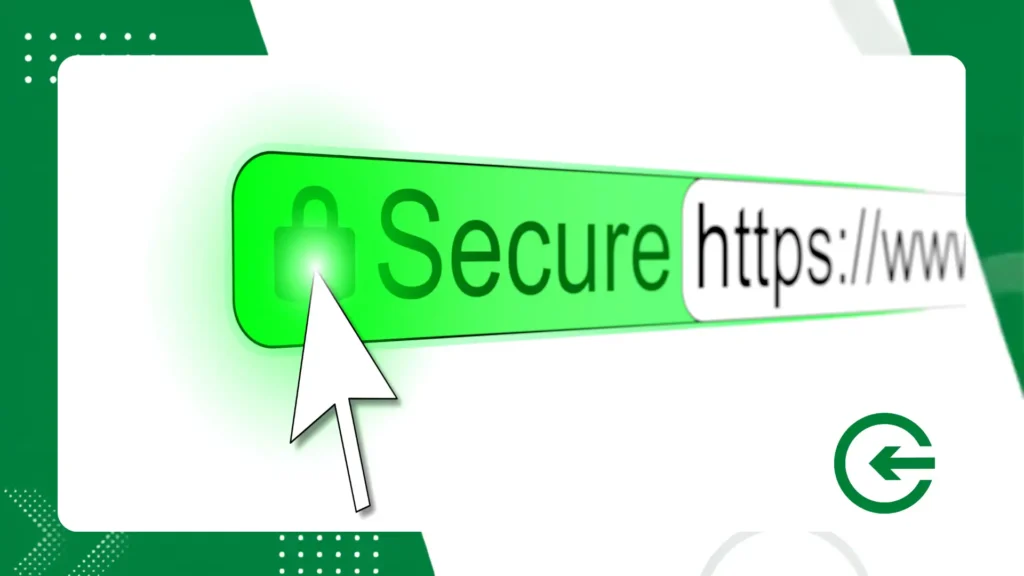
Digital crime has become so professionalized that website cloning has turned into a multi-million dollar industry.
Today's scams no longer resemble those shoddy frauds of the past, riddled with grammatical errors and pixelated images.
advertising
Today, identical copies of bank portals and major e-commerce sites are created in minutes. The average user, browsing in the rush of daily life on their mobile phone, becomes the perfect target without even realizing it.
To resort to Free tools that check a website's security. It's the only real way to pierce through this bubble of appearances and audit what's going on behind the scenes.
More than just preventing immediate financial losses, this prior check prevents your device from being silently captured and becoming part of botnets used in global attacks.
What are the main risks of accessing an unsecured website?
Visiting a compromised website goes far beyond simply losing money on a fake purchase.
There is something deeply unsettling about the way malicious scripts operate: they run the second the page loads, without asking permission.
Behind the scenes, unseen, these spyware programs scan your session cookies, intercept passwords saved in your browser, and map vulnerabilities in your operating system for future infections.
There is also the risk of corporate or personal data being hijacked by ransomware. A simple visit to a compromised domain can lock all your files under unreachable encryption keys.
Ultimately, remedying the damage caused by a cloned identity will cost months of legal headaches. Getting into the habit of verifying the address before clicking is the only safe shortcut.
Which free website security verification tools actually work?
O VirusTotal It remains the market's leading reference. It submits any suspicious URL or file to more than thirty elite antivirus engines simultaneously, generating a thorough diagnosis.
Google Safe Browsing acts almost like an invisible background defense, scanning billions of addresses daily to feed the immediate blocking warnings in modern browsers.
Platforms like Sucuri SiteCheck and URLScan.io complete this defense ecosystem.
They go beyond the surface, inspecting the source code, hidden redirects, and the server's IP address history.
Combining the use of these solutions ensures a robust layer of protection, without requiring you to install heavy software or spend a single penny to keep your data safe.
How do real-time vulnerability scanners work?
These scanners function like virtual trackers sent to explore the terrain before you even set foot on it.
They access the page remotely and dissect every line of code or activated script.
During this process, the tool cross-references the elements found on the website with immense global databases that constantly catalog new threats and malware signatures.
If the scanner detects any anomalous behavior — such as a forced background download or an automatic route deviation — the report issues an immediate red alert.
The whole process takes less than ten seconds. That's the time it takes to take a sip of coffee to receive a complete technical assessment and avoid a massive headache.
++ Apps that help you remember to take your medication at the right time.
What is the difference between an SSL certificate and actual domain security?
There is a dangerous myth that insists on confusing the padlock icon with a guarantee of honesty.
An SSL certificate only encrypts the information path between you and the server; it does not attest to the character of the website owner.
Nowadays, any scammer can issue a free SSL certificate in a matter of minutes.
The website displays the green padlock in the address bar, but it remains a perfect trap.
True security requires investigating the domain's history, the company's reputation, and the age of the registration through... Free tools that check a website's security..
Knowing how to differentiate between secure data transport and the intent of a website is the dividing line between those who browse safely and those who end up handing over valuable data to criminals on a silver platter.
++ How to find out if your data has appeared in a data breach.
Comparative Table: Features and Focus of Analysis of the Main Tools
| Tool | Main Focus of Analysis | Top Free Features | Recommended For |
| VirusTotal | Multi-engine antivirus and reputation | Access to over 70 databases, file analysis, and IP address analysis. | Deep URL and file checking |
| Google Safe Browsing | Phishing and malware detection | Native browser integration and quick diagnostics. | Immediate validation of suspicious links. |
| Anaconda SiteCheck | Code scanning and CMS | Detection of malicious injections, spam, and blacklists. | Website and e-commerce owners |
| URLScan.io | Behavioral and visual analysis | Screenshot of the page, domain mapping, and cookies. | Advanced analysis of unknown links |
| Talkative / Norton Safe Web | Community reputation and evaluation | Risk classification by categories and user feedback. | Home users and daily browsing |
How can you identify visual signs of fraud before clicking?
Even before pasting the address into a scanner, your own eyes can spot the threat.
Scammers often replace letters with identical numbers in addresses — the famous trick of putting the number "1" in place of the letter "l".
Shortened links received via message without any prior explanation are another clear warning sign.
They serve precisely to hide the true purpose of the click and deceive basic filters.
Gross typos, promises of ridiculously low discounts, and an artificial sense of urgency ("last units!") are well-known psychological triggers to make you act on impulse rather than reason.
Ultimately, combining this critical perspective with automated verification creates an almost unbeatable shield against the internet's most sophisticated traps.
++ Tools for compressing large files on your mobile phone.
Conclusion
Keeping your data protected in the digital environment isn't a matter of having advanced computer skills, but of cultivating smart browsing habits and using the right resources to your advantage.
Incorporate the query into Free tools that check a website's security. In its routine, it eliminates the naiveté of browsing and blocks the vast majority of fraud attempts.
The internet isn't going to become a safer place overnight, but how you expose yourself to it changes everything. The control is entirely in your hands.
For those who wish to deepen their understanding of data protection and official cybersecurity guidelines, it is worth consulting the updated technical material from [source name/source]. CISA (Cybersecurity and Infrastructure Security Agency).
Frequently Asked Questions (FAQ)
1. Does the HTTPS certificate guarantee that the website is 100% secure?
No. HTTPS only guarantees that data travels in encrypted form between your browser and the website, but the website itself could be a fake copy created to perpetrate scams.
2. How can I tell if a shortened link is dangerous without clicking on it?
You can extend the address using online unshortening tools or paste the shortened URL directly into VirusTotal to analyze the final destination in an isolated environment.
3. Do the verification tools work on mobile phones?
They work perfectly. Since they operate directly in the browser, you can use any of these platforms on your mobile phone or tablet without needing to install cumbersome applications.
