
Fiber optic internet for homes: advantages and precautions
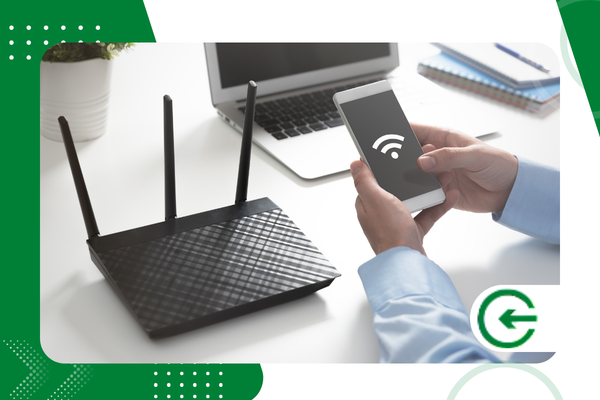
A residential fiber optic internet It has gone from being a technological luxury to becoming the backbone of our digital routine.
ADVERTISING
Watching ultra-high-definition broadcasts or participating in remote meetings simultaneously requires an infrastructure that goes far beyond old metal cables.
Mastering the technical criteria of this choice protects your budget and avoids those chronic headaches caused by unexplained slowdowns in the middle of the day.
Practical Summary of the Guide
- Real AdvantagesWhat really changes in the stability of your home signal?
- Physical BottlenecksThe most common mistakes made during internal installation.
- Current OverviewMarket data that proves the consolidation of the technology.
- Direct ResponsesMyths about weather, outdated routers, and packet loss.
Why choose fiber optic internet for your home?
Replacing copper with glass filaments solved the biggest problem with older networks: packet loss due to pure electromagnetic interference from household appliances.
The light travels through the core of the shielded cable, ignoring isolated storms that used to knock out connections for entire neighborhoods in the blink of an eye.
advertising
For those who rely on massive uploads or play online games, the increase in latency can be brutal in their daily routine.
Data traffic flows without the classic bottleneck that happens in the late afternoon when the entire neighborhood decides to connect.
Multiple screens operate independently, allowing for heavy downloads in one room while another streams seamlessly in 4K video.
This operational consistency justifies the investment in residential fiber optic internet as the ultimate choice for homes with high connectivity demands.
The market, saturated with miraculous promises via radio, is losing ground in the face of the technical solidity that fiber optic cabling delivers in practice.
Productivity while working from home takes on the characteristics of professional stability, eliminating excuses for signal drops during meetings with important clients.
What are the main technical advantages of light transmission?
Symmetrical speed emerges as the main technical game-changer for those who need to send files as much as they need to receive them.
Unlike older connections, where upload speeds were a tiny fraction of download speeds, fiber optics masterfully balances these two forces.
This means uploading long videos to YouTube or uploading backups to the cloud at the same speed as you download files.
In copper systems, living far from the operator's central office meant receiving a noticeably worse and slower connection than others.
With the light beams, the data intensity remains virtually intact for kilometers, ensuring fairness for all subscribers in the neighborhood.
There's something comforting about knowing that your network won't fluctuate when your neighbor turns on an old microwave oven.
The dielectric insulation of the fiber prevents external electrical noise from penetrating the data stream, shielding your browsing from invisible interference.
It's engineering applied directly to solve the small, hidden stresses that sabotaged the old broadband in our homes.
What precautions are necessary during the physical installation?
The fragility of the fiber optic cable demands almost surgical care from the technicians, something that is often overlooked in the rush of standard installations.
Sharp bends or corners crush the internal glass filament, creating micro-cracks that silently sabotage the contracted speed.
Follow the cable's path through the house and insist on smooth bends, preferably using conduits that are insulated from traditional electrical wiring.
The placement of the central modem is the Achilles' heel of most poorly planned home networks.
Hiding the device behind MDF panels, mirrors, or near concrete beams destroys the range of higher Wi-Fi frequencies.
Find the geographic center of the property and position the router in an elevated location, ensuring that the waves propagate without significant physical barriers.
Ignoring blind spots in the structure forces peripheral devices to expend more energy trying to pick up a weak and unstable signal.
Assessing the building's topology before installation prevents frustration and determines the actual need for cable extensions or modern distribution systems.
+ Fast charging on mobile phones: current myths and truths.
Where do the most common errors occur in cable handling?
The most frequent mistake usually happens when residents try to move the modem to a different room themselves after installation.
Pulling the yellow or blue wire with excessive force will break the internal optical solder, technically known as the main connector fusion splice.
This small household mistake instantly interrupts the light beam, requiring a technician to visit and redo the process.
Another chronic mistake is allowing the fiber optic cable to bend at right angles around the corners of the walls of the residence.
Light needs a fluid path to bounce internally off the glass walls of the filament without escaping the central core.
Closed corners cause the loss of this light beam due to unwanted refraction, generating chronic slowdowns that seem to have no apparent cause.
A single misaligned blow shatters the outer plastic shielding and permanently compromises the structural integrity of the inner glass filament.
+ How augmented reality technologies can improve remote work.
How can I evaluate the technical performance of my contracted internet connection?
Assessing the plan's actual delivery requires a skeptical stance towards sponsored speedometers that mask everyday results.
Measurements taken purely via Wi-Fi often register severe losses due to the environment, masking the true performance coming from the street.
Connect a good network cable directly to the computer to isolate the hardware and determine if the provider is honoring the contract.
Reports published by National Telecommunications Agency – Anatel They reveal that fiber optics is driving the growth of connectivity in the country in an irreversible way.
Ongoing monitoring attempts to curb commercial abuses, although consumers need to monitor their own deliveries to assert their legal rights.
| Market Indicator (Anatel Data) | National Consolidated Scenario |
| Fiber's share in fixed broadband | Approximately 79% of the total accesses |
| National average speed recorded (Ookla) | 221.53 Mbps measured in March 2026 |
| Brazil's position in the global ranking | 26th place in fixed broadband measurement |
What is the impact of the router on your digital experience?
Subscribing to hundreds of megabits per second becomes a complete waste if your home router is from the last decade.
Older devices operate stuck in the saturation of the 2.4 gigahertz frequency, which functions like a congested avenue during rush hour.
Taking advantage of the potential of residential fiber optic internet It requires modern routers capable of operating on cleaner and wider bandwidths simultaneously.
The five gigahertz frequency delivers maximum transmission speed, although it struggles a bit more to penetrate thick brick walls.
Adjusting high-consumption devices to this range ensures instant downloads and reduces chronic lag in cloud-based tasks.
This intelligent division of home traffic avoids network conflicts caused by older cell phones that drag overall performance down.
Homes filled with automation, such as smart light bulbs and security cameras, demand the technological efficiency of the Wi-Fi 6 standard.
These devices manage multiple simultaneous accesses without lag, distributing bandwidth precisely according to the needs of each electronic device.
How do different Wi-Fi standards limit your speed?
Many consumers blame the service provider for the slow speeds without understanding that the old phone itself may be the real bottleneck in the system.
Older Wi-Fi protocols simply don't have enough bandwidth to process data packets exceeding one hundred megabytes.
Even if your fiber receives a gigabit at the modem input, the old transmitter will limit the final delivery through the air.
These technologies divide the main channel into smaller subchannels, allowing multiple devices to communicate with the router at the exact same time.
This eliminates that invisible digital queue that caused minor freezes in online games when someone opened a large video.
Investing in an updated hardware ecosystem is the price to pay to enjoy the true speed of light outdoors.
There's no point in paving a perfect fiberglass highway all the way to your door if the internal distribution system relies on old, technologically advanced wooden bridges.
Aligning your plan's capabilities with the modernity of your personal devices ensures the best possible everyday browsing experience.
+ Online Mentoring Platforms: Transforming Careers and Education in Brazil
Frequently Asked Questions about Residential Connection (FAQ)
Can rain slow down the internet?
No, because pulsed light transmission is immune to the weather factors that used to oxidize the old copper cables in the streets.
Speed drops during these periods usually indicate a physical break in cables on the poles or problems with the power supply at the operator's central office.
How to protect your modem from power outages?
Invest in a good surge protector or professional power strip to shield the device's power supply from voltage spikes.
This simple precaution prevents the router's logical ports from burning out during storms, preserving the residential fiber optic internet stable and safe.
Is it worth using mesh networks in large houses?
Absolutely, because this technology creates a unique coverage that intelligently distributes the signal without reducing speed during transitions.
Unlike common repeaters that create slow secondary networks, these modules communicate with each other to maintain maximum efficiency in any room.
What is the real difference between fiber optic and coaxial cable?
Fiber optics offers identical download and upload speeds, with virtually no signal loss over long physical distances.
Coaxial cable suffers from extreme attenuation and delivers very low upload speeds, hindering file transfers and video calls.
How to choose the best provider for your home?
Looking only at the price on the flyer is the first step towards falling into the trap of inefficient technical support on weekends.
Regional providers often surprise positively, delivering faster connection routes and a human touch that major brands have long since lost.
Carefully analyze the fine print of loyalty clauses so you don't get stuck with a bad service for fear of contractual penalties.
Demand clarity regarding the loan agreement for the equipment to avoid surprise charges in the event of a cancellation of the contracted plan.
Documenting initial speed tests serves as legal protection in case performance plummets after the first few months of service use.
Consult the portal of Ministry of Communications It helps to understand the infrastructure investments that directly affect the quality of the regional network.
Armed with these technical and commercial criteria, choosing your plan ceases to be a game of chance guided by marketing promises.
Monitor the behavior of your physical network, protect your equipment, and enjoy fast browsing that truly keeps up with your daily pace.
