
How games with live events increase engagement.
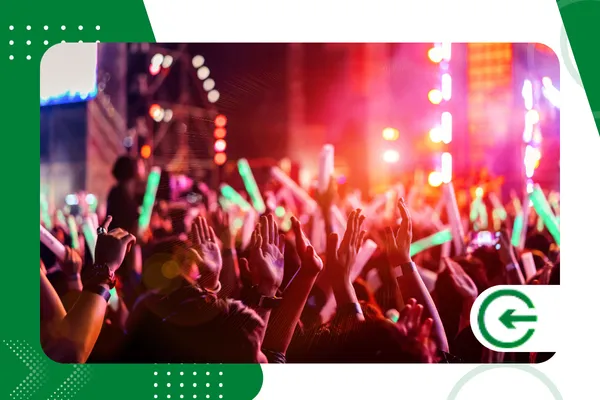
Games with live events They transformed the digital entertainment industry, consolidating a new era of real-time interactivity that completely redefines user retention.
ADVERTISING
This evolution has transformed static games into dynamic and highly profitable ecosystems.
Live Ops strategy is guiding the current market. Companies have abandoned the model of isolated launches to focus on continuous community experiences that keep servers constantly populated and engaged.
To understand the impact of this cultural and economic metamorphosis on the video game industry, we present a comprehensive guide detailing the attraction mechanics that shape the behavior of modern gamers.
Summary
- Why do live events dictate the pace of the digital market?
- How do games with live events generate feelings of urgency?
- What are the real impacts on company revenue?
- Who dictates the technological trends in this interactive machine?
- Frequently Asked Questions (FAQ)
Why do live events dictate the pace of the digital market?
Entertainment consumers seek belonging and constant novelty. Platforms that offer static experiences are losing ground to virtual universes that transform weekly through integrated thematic updates.
advertising
There's something fascinating about the speed of this change. Major studios have realized that creating an immersive, ever-changing environment retains a larger audience than investing in traditional sequels that take years to premiere.
This dynamic transforms the act of playing into a relevant social commitment. Friends arrange specific times to attend musical concerts, season transitions, or world championship finals.
You games with live events They manage to capture attention in a landscape saturated with scattered stimuli. They unite the community around a common purpose that generates organic discussions on the internet.
Social media amplifies the phenomenon through live streams, memes, and the sharing of gameplay footage.
Engagement transcends the boundaries of software, creating a significant cultural presence in users' daily lives.
How do games with live events generate feelings of urgency?
Behavioral psychology explains the success of these temporary activations. The fear of missing out on a unique opportunity, known as FOMO (fear of missing out).Fear of Missing Out), promotes immediate access for players.
Exclusive cosmetic items, temporary achievements, and narratives that permanently alter the game map create a need for continuous connection that combats inactivity or migration to competitors.
When a studio announces the end of a season, the servers register massive spikes in simultaneous access. Everyone wants to secure the final rewards that will never again be available on the virtual market.
In this way, the games with live events They establish a routine in the lives of the target audience. The game ceases to be just a casual pastime and takes on the role of a scheduled commitment.
The predictability of Live Ops calendars helps plan long-term engagement. Users anticipate their vacations and leisure time based on the schedules released by the developers.
++ Apps for interacting with celebrities and influencers.
What are the real impacts on company revenue?
Revenue generated by microtransactions during seasonal celebrations surpasses profits from traditional direct sales.
Prolonged engagement is directly correlated with an increase in average spending per active user on the platform.
++ How mobile multiplayer games are changing online fun
| Popular Game | Type of Event: Live | Impact on Engagement | Main Reward |
| Fortnite | Concerts and Season Finales | Peaks of 15+ million simultaneous viewers | Cosmetics and Lore |
| League of Legends | Worlds and Passes | Millions of viewers and players | Exclusive Skins |
| Roblox | Brand Activations and Shows | High retention rate among young audiences. | Avatar Items |
Who dictates the technological trends in this interactive machine?
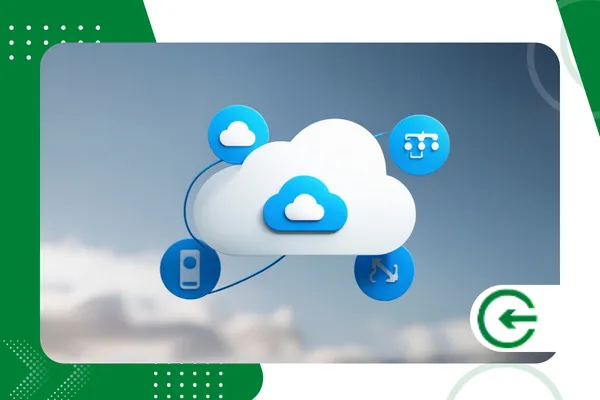
The advancement of cloud server infrastructure allows millions of connections to occur simultaneously without performance bottlenecks.
Software engineers work on optimizing code for mass events.
Companies like Epic Games, Riot Games, and Valve are leading the development of proprietary tools that facilitate the rapid implementation of dynamic content without the need for lengthy, massive downloads.
Artificial intelligence is beginning to play a key role in personalizing these gaming experiences.
Automated systems adjust challenges and rewards according to the individual user's behavior during the live stream.
This technical evolution consolidates the games with live events as the vanguard of interactive digital entertainment. The future points to even greater integration with the concept of a real metaverse.
The convergence of music, film, and digital interactivity establishes new parameters for the entertainment market, where the audience is not merely a spectator, but an active participant in the unfolding narrative.
++ How games with adaptive AI are changing gameplay.
Conclusion
Real-time events have transformed video games into permanent and dynamic social platforms.
The resounding success of this model demonstrates that the public values collectivity and continuous innovation.
Studios that neglect a Live Ops strategy face increasing difficulties in retaining their active user base. Constant content renewal has become the central pillar of market survival.
To explore detailed reports on the financial and demographic fluctuations of this expanding ecosystem, consult the consolidated data on the corporate analytics portal. GamesIndustry.biz, a global benchmark in the sector.
The trend for the coming years indicates an even greater sophistication of these interactions, solidifying the gaming market as the most innovative, profitable, and resilient sector of global entertainment.
Frequently Asked Questions (FAQ)
What are Live Ops tools in video games?
Live Ops refers to the ongoing management of a game as a service. This includes content updates, community moderation, seasonal events, and balance adjustments made after the official launch.
Why do virtual music events attract such large audiences?
These shows break down geographical barriers, allowing fans from all over the world to watch performances by global artists in an interactive, immersive, and free way within the virtual environment of their favorite games.
What is the impact of FOMO on microtransaction consumption?
The fear of missing out on exclusive, limited-time items fuels impulse purchases. Players acquire virtual currency to secure cosmetics that demonstrate their status and participation in that specific historical moment.
Can single-player games benefit from live events?
Yes, through global community challenges, temporary leaderboards with exclusive prizes, or seasonal narrative expansions that encourage players to return even in experiences focused on the single-player campaign.
