
The phenomenon of ASMR games: what they are and why they are so relaxing

ASMR games have carved out a unique space in the digital universe, combining auditory and visual sensations to create experiences that calm the mind and body.
ADVERTISING
These games, inspired by autonomous sensory meridian response (ASMR), offer immersion that goes beyond traditional entertainment, promoting deep relaxation in a fast-paced world.
But what makes this genre so special? Why does it attract millions of players looking for peace and quiet?
This article dives into the essence of this phenomenon, exploring its mechanics, psychological benefits, and cultural impact, with a dash of analysis about how these games fit into modern life.
Additionally, the growing popularity of ASMR games reflects a search for experiences that prioritize mental well-being.
advertising
In times when anxiety and stress are on the rise, these games offer a healthy alternative for those seeking moments of calm and introspection.
What defines ASMR games?
Imagine a digital oasis where every click, every soft sound of objects moving, is a caress for the senses — that's the essence of ASMR games.
Unlike traditional games, which prioritize action, competition or complex narratives, these titles focus on gentle sensory stimuli.
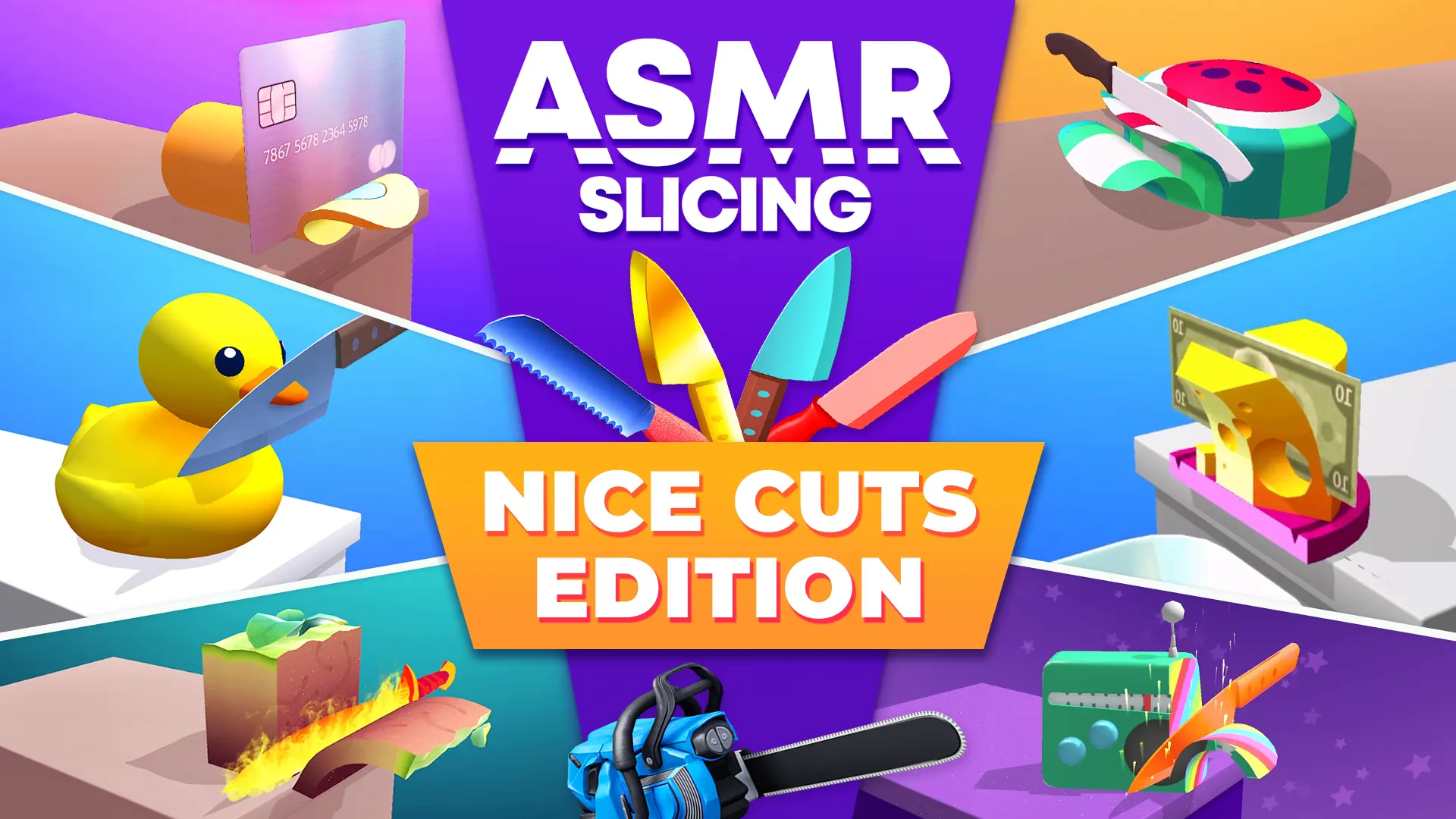
Sounds such as the brushing of brushes, the cracking of wood or the whispering of voices guide the player through simple tasks, such as organizing objects, painting pictures or simulating routine activities.
The lack of time pressure or grandiose goals is what sets them apart.
An original example would be Whispers in the Forest, a fictional game where the player explores a virtual forest, collecting leaves that produce soft sounds when touched, while a trail of running water animates the experience.
The mechanics are minimalist, but the sensory impact is powerful, activating the parasympathetic nervous system, responsible for relaxation.
These games do not require skill; they invite contemplation.
Furthermore, the simplicity of the mechanics allows people of all ages to enjoy the experience, making ASMR games accessible to a wide audience.
Why are ASMR games relaxing?
The science behind the relaxation provided by ASMR games is linked to the autonomic sensory meridian response, a neurological phenomenon that causes tingling sensations in the scalp, neck and back in response to specific stimuli.
A survey published in 2018 in the journal PeerJ revealed that 75% of participants experiencing ASMR report significantly reduced stress and anxiety after exposure to audio and visual triggers.
In games, these triggers—like the sounds of objects being arranged or gentle movements on the screen—are carefully designed to maximize the calming effect.
Additionally, ASMR games offer a break from the hectic pace of modern life.
In a world where constant notifications and multitasking rule, these games are like a warm cup of tea on a rainy afternoon: comforting and unpretentious.
They encourage mindfulness, or mindfulness, encouraging the player to focus on the present moment, without the pressure of winning or progressing quickly.
The practice of mindfulness has been shown to be beneficial for mental health, as reported by institutions such as the American Psychological Association.
Additionally, by promoting a state of calm, ASMR games can help reduce tension built up throughout the day, providing a safe space to relax.
Sensory mechanics: how do they work?
The genius of ASMR games lies in the simplicity of their mechanics.
Unlike competitive titles, which require quick reflexes or complex strategies, these games prioritize rhythmic repetition and minimalist aesthetics.
Tasks are intuitive: dragging objects, clicking on patterns, or interacting with digital environments that respond with tactile sounds.
For example, in a fictional game called Serene Studio, the player organizes a work table, moving pens and papers that emit soft sounds, like the friction of paper or the click of a lid.
Each action is accompanied by pastel visuals and a soundtrack that seems to whisper calm.
The following table illustrates the most common sensory elements in these games:
| Element | Description | Effect on player |
|---|---|---|
| Soft sounds | Crackling, whispering, light tapping | Stimulates relaxation and tingling |
| Minimalist visuals | Pastel colors, slow movements | Reduces cognitive overload |
| Repetitive tasks | Arrange, paint, drag objects | Promotes focus and mindfulness |
Additionally, the combination of sounds and visuals creates an immersive experience that can be highly therapeutic.
Players not only engage in simple activities, but also allow themselves to relax in a safe and welcoming environment.
The cultural and emotional appeal
Why have ASMR games gained so much traction?
The answer lies in the cultural context.
We live in an age of hyperstimulation, with screens competing for our attention and tight deadlines generating chronic stress.
According to the World Health Organization, cases of anxiety increased by 25% globally between 2019 and 2022, a reflection of the impact of the pandemic and accelerated digital life.
In this scenario, ASMR games emerge as an antidote, offering a refuge where the player controls the rhythm and the experience.
These games also resonate with the search for authenticity.
Instead of epic narratives or hyper-realistic graphics, they celebrate the ordinary — the sound of a page turning, the click of scissors.
This appreciation of the everyday creates an emotional connection, as if the game were saying, “It’s okay to slow down.”
They also appeal to a diverse audience, from teenagers dealing with school pressures to adults seeking relief after a tiring day.
Additionally, the emotional appeal of ASMR games can help create a community of players who share similar experiences, fostering a sense of belonging and mutual support.
+ Games to Relax After a Stressful Day
Comparison with other forms of ASMR
While ASMR videos on YouTube, such as roleplays or object sounds, are popular, ASMR games offer a unique advantage: interactivity.
While a video is passive, requiring only that the viewer watch, games put the player in control, allowing them to personalize the experience.
For example, in a video, the sound of someone cutting soap is fixed; in a game, the player decides the rhythm and intensity of the cuts, amplifying immersion.
The table below compares the two media:
| Aspect | ASMR Videos | ASMR Games |
|---|---|---|
| Interactivity | Passive, without viewer control | Active, player controls actions |
| Customization | Limited to video choices | High, with choices of pace and tasks |
| Sensory immersion | Focused on audio and video | Combines audio, video and tactile interaction |
Additionally, the interactive aspect of ASMR games can increase player engagement, making the experience more personal and meaningful.
This customization allows each player to find what works best for them, increasing the relaxing potential of the game.
Challenges and criticisms
Not everything is perfect in the world of ASMR games.
Some critics argue that the genre is “dull” or lacks depth, as the mechanics are intentionally simple.
For players accustomed to action or strategy titles, the lack of challenge may seem uninteresting.
Additionally, not everyone experiences ASMR — for some, the sounds and visuals can be off-putting or even irritating.
This begs the question: are ASMR games for everyone, or just a niche?
Despite criticism, the genre continues to grow, driven by a passionate community and independent developers exploring new ways to integrate sensory triggers.
Interactivity, combined with personalization, ensures that these games reach an audience looking for something beyond traditional entertainment.
Additionally, the continued evolution of ASMR games could lead to the introduction of new mechanics and experiences that appeal to even more players, expanding the reach of the genre.

The Future of ASMR Games
Looking ahead, ASMR games have the potential to integrate into other areas, such as mental health and education.
Imagine apps that combine ASMR with guided meditation or focus tools for students.
Virtual reality (VR) also promises to elevate the experience, with immersive environments that simulate more realistic tactile sensations.
For example, a VR game could allow the player to “touch” virtual objects, amplifying ASMR triggers.
Additionally, the genre can expand to include richer narratives without losing its relaxing essence.
Developers could create contemplative stories, where the player explores serene worlds while solving simple puzzles, keeping the focus on calm.
The question is: how far can developers' creativity take this genre without compromising its essence?
Furthermore, collaboration between developers and mental health experts can result in games that not only relax but also promote emotional well-being more effectively.
See too: Games that stimulate children's creativity
Why should you try it?
If you've ever felt overwhelmed by the pace of modern life, ASMR games might be the escape you didn't know you needed.
They don't promise adrenaline or epic achievements, but they do offer something equally valuable: peace.
In a world where stress is a constant, dedicating a few minutes to an experience that calms the mind is almost revolutionary.
Try exploring a title like Whispers in the Forest or Serene Studio and see how the simple act of organizing virtual objects can transform your day.
After all, who wouldn’t like to find a moment of serenity in the midst of chaos?
In short, ASMR games are more than a niche — they are a reflection of a society that yearns for balance.
With simple mechanics, deep emotional impact, and a unique connection to the senses, they prove that entertainment doesn't have to be loud to be meaningful.
So, next time you need a break, why not immerse yourself in this universe of soothing sounds and digital tranquility?
Plus, by experimenting with these games, you can discover new ways to relax and take care of yourself, contributing to a more balanced lifestyle.
